
Two midwinter failures show up in our intake notes more often than a dramatic “whole-house freeze.” One is an outdoor faucet that was never drained. The other is a line in a later addition, a garage ceiling, or a poorly insulated rim that does not share the heat of the main rooms.
By Chester County Water Damage
If a line has already split, shut the water if you can do so safely and call (484) 293-9465. Frozen and burst pipe cleanup runs 24/7 for houses and workplaces, including Paoli and other Main Line streets.
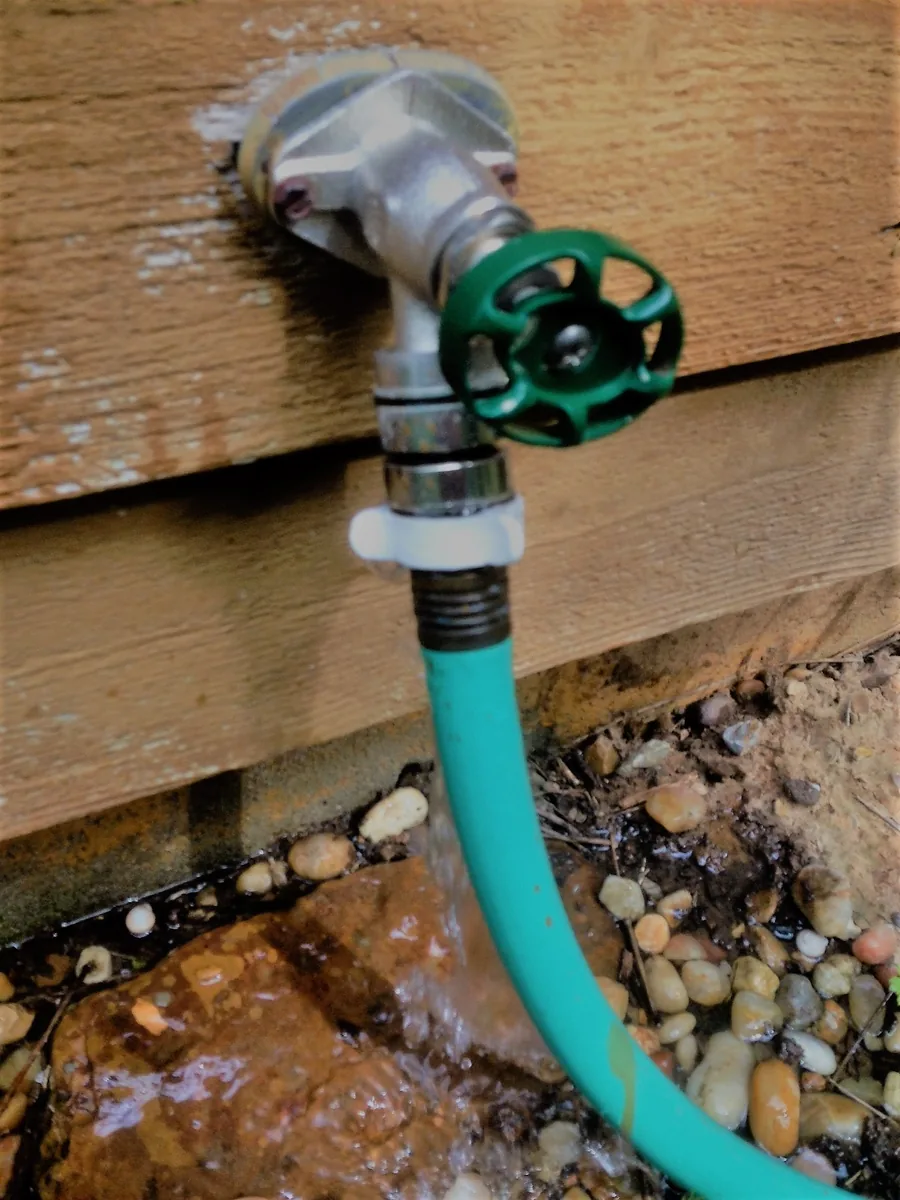
The hose bib that feeds water back inside
An unsheltered spigot can split in a hard freeze. If the indoor shutoff was never closed, or if there is no separate interior stop, water can run into a wall, a garage, or a lower level when the ice gives way. That may happen while you are at work, or overnight after a thaw.
Before a cold stretch:
- Close the indoor valve that serves the bib, if you have one.
- Open the outdoor faucet so the stem can drain.
- Disconnect hoses. A hose left attached can trap water in the bib.
- If you do not know whether a frost-free bib is installed, treat it as vulnerable and ask a plumber before the first hard night.
We are not a plumbing installer. We dry what the split soaks.
The addition that was never on the same heat island
Rear additions, enclosed porches, and rooms over garages often have different insulation and different piping routes than the original house. A Main Line alteration may look seamless from the street and still hide a poorly insulated rim. When a cold snap arrives, the addition cools first. The break may be in a vanity, a hose cabinet, or a line in the floor above a garage.
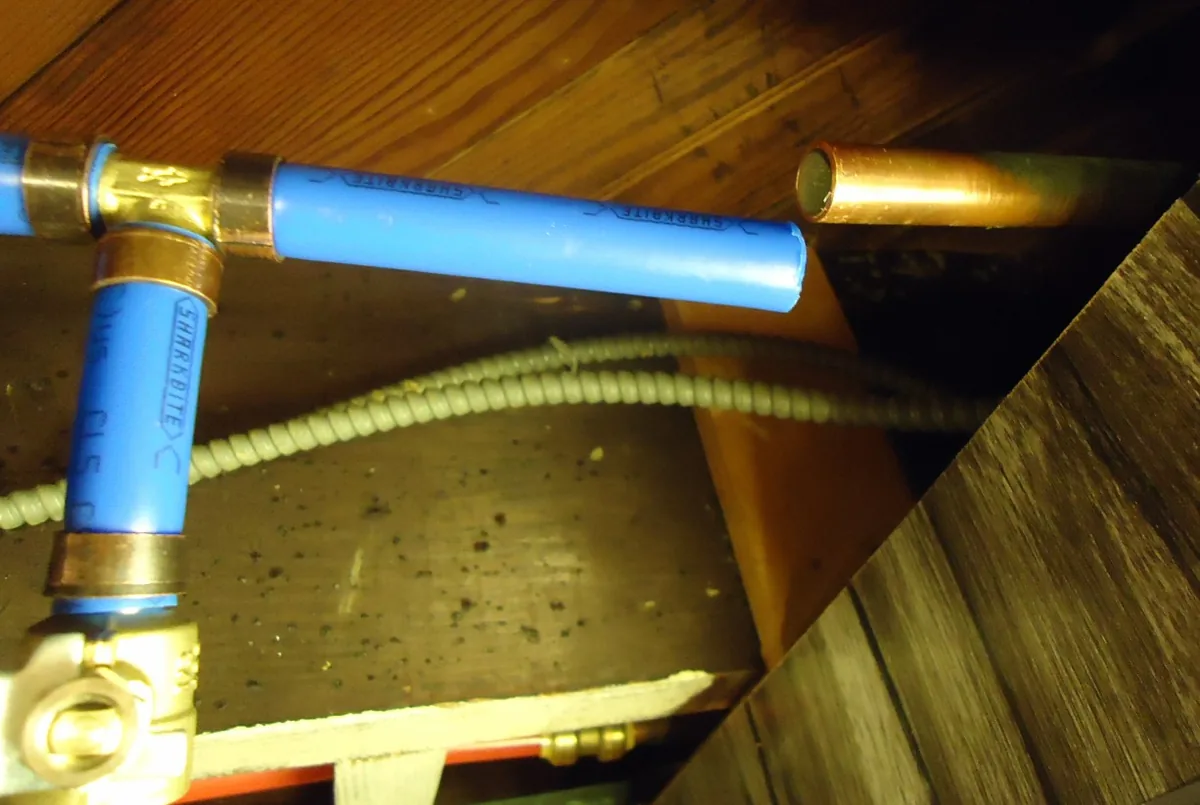
A workplace version is a stockroom or a back hall that was carved out of an unconditioned space and tied into the plumbing later. Holiday closures make that worse. See vacation heat setbacks for the empty-building pattern, and commercial water damage for after-hours access.
After the thaw: look past the puddle
Water from a bib or an addition line often travels along a sill or a joist and appears in a room that was not obviously “the wet room.” Photograph the stain, the exterior faucet, and any interior stop you closed. Then get a moisture map rather than painting over a circle on the drywall. Typical house mitigation on this site remains in the $1,300–$5,500 guide when the scope is typical; a long-running outdoor-fed leak can be larger.
A short cold-snap checklist
| Before the freeze | After a suspected split |
|---|---|
| Hoses off; indoor bib stops closed; outdoor faucet open to drain | Shut the main if the local stop will not hold |
| Cabinet doors open on exterior-wall sinks | Stay out of energized water |
| Heat on in additions, garages with lines, and shops | Photograph the bib, the stain, and the rooms |
| Someone has a key if you will be away | Call for extraction; do not wait for a “dry afternoon” |
Shops, hose cabinets and a Friday close
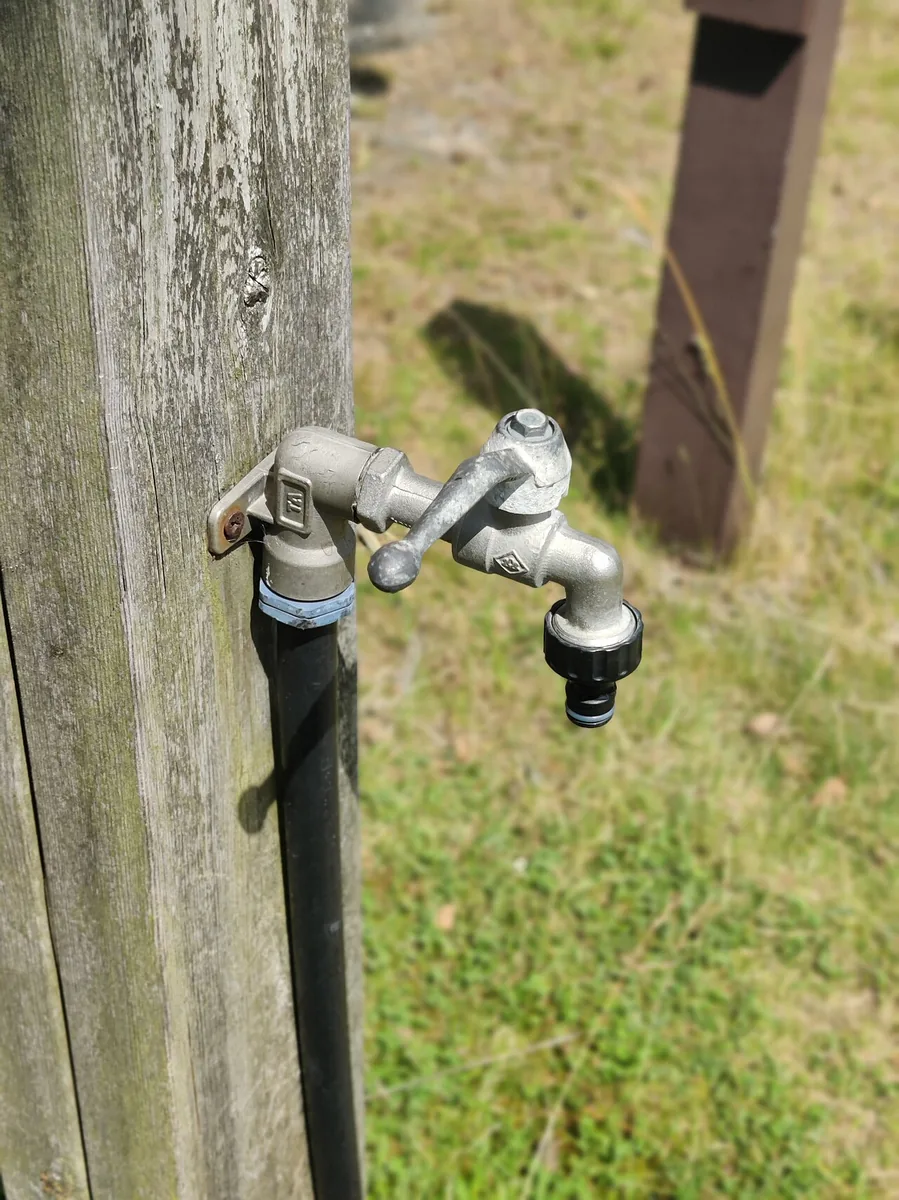
A commercial hose bib or a wash-down cabinet left charged over a cold weekend is the workplace version of the same failure. Facilities staff should close interior stops before a forecast freeze, just as a household should. If a stockroom wall is wet on Monday, treat it as a water job with after-hours access, not as a janitorial mop-up.
Older siding and hose bibs near grade can also hide the first stain outdoors while the interior cavity is already wet. Walk the exterior after a thaw as well as the rooms.
If you rent, or you manage several units
Know where each bib stop is before January, not after a stain appears. Tenants should have a path to an owner who can authorize drying the same night. A delayed permission is how a small garage stain becomes a wet party wall.
Frequently asked questions
I have a frost-free faucet. Can I skip the indoor shutoff?
Frost-free designs help, but a hose left on or a misinstalled bib can still fail. Ask a plumber if you are unsure what you have.
The only wet spot is a garage wall. Is that still a water job?
Yes. Garage and addition cavities are often how the water reaches a living space.
Do you replace the faucet?
No. A plumber repairs or replaces the bib. We dry and document the interior.
Will insurance treat an outdoor faucet split as a sudden event?
Often it is discussed that way, but outdoor fittings, maintenance, and vacancy can raise other questions. Your carrier decides.
Are you available during a weekday freeze warning?
Yes. (484) 293-9465 is 24/7.
When a ceiling stain shows up a day later
A bib or addition leak can declare itself as a brown circle after the thaw, not during the freeze. That pattern is easy to confuse with an eave or ice-edge leak. Our ceiling stain after a freeze-thaw guide covers that comparison. Either way, meter the room below rather than waiting for the stain to “dry out.”
A faucet or addition line split in the cold? Call (484) 293-9465 — homes and workplaces.