
A wet unit is not always a unit we are allowed to open. In a rental, a condominium, or a leased suite, extraction starts only with clear authorization — from an owner, a manager, a board, or a tenant who actually has the right to say yes. This checklist is practical, not legal advice.
By Chester County Water Damage
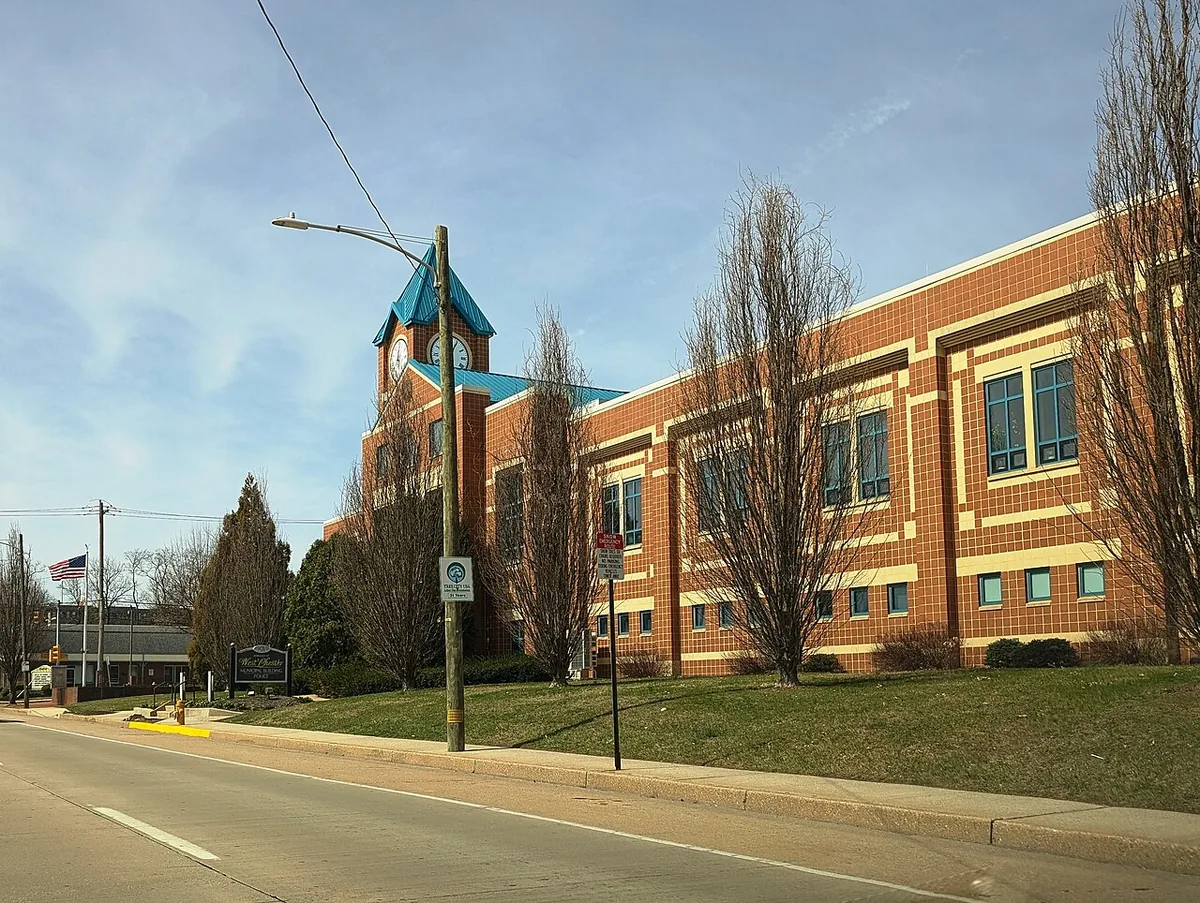
If water is active, start the phone tree and call (484) 293-9465 so a crew can be on the way while permission is confirmed. We work West Chester rentals and workplaces 24/7, and the same rule applies in other launch towns: we need a clear yes.
Why this slows jobs, and why we still wait
Opening a wall in the wrong unit, or drying a suite a tenant did not approve, creates a second dispute on top of the leak. A short written authorization — a text or email from the owner naming the address, the unit, and who may meet us — is enough to start extraction. A hallway rumor is not.
Campus-area housing, downtown mixed-use buildings, and professional suites all stumble here. The moisture does not wait, but neither does a later complaint about an unauthorized opening.
Who usually has the yes
| Setting | Who can typically authorize extraction | Notes |
|---|---|---|
| Owner-occupied house | The owner, or a keyholder the owner names | A neighbor with a key still needs the owner’s written yes |
| Rental | Owner or authorized agent; tenant only if the lease and the owner allow it | Tenants should still call and start photos |
| Condominium or HOA | Unit owner, and the association for common elements | Shared chases may need both |
| Leased suite | Landlord or property manager; tenant if the lease grants it | After-hours access is a separate note |
| Mixed-use (shop + dwelling) | Whoever controls each space | One leak can need two yeses |
This table is a starting point, not a statute. When in doubt, get the owner or manager on the thread. See also when a neighbor’s leak crosses a party wall and a manager’s photo checklist.
What the message should include
- Address and unit
- That you authorize Chester County Water Damage to extract and dry the listed rooms
- Who will meet us, and how we enter (keys, alarm, dock)
- A phone number for questions mid-job
- Any rooms we should not enter
We will still photograph before we open anything, and we will not wander into a neighboring door because it “looks wet.” For workplaces, after-hours rules live on commercial water damage. For the drying work itself, see water damage restoration.
Tenants, boards and the fear of “doing something wrong”
A tenant who sees a ceiling letting go should not wait until morning office hours to tell someone. Call the owner and call us. If the owner cannot be reached and there is an immediate safety issue, say so. Emergency action to protect the building is a different conversation from a cosmetic teardown. We will not invent a legal theory; we will tell you what we can do with the permission we have.
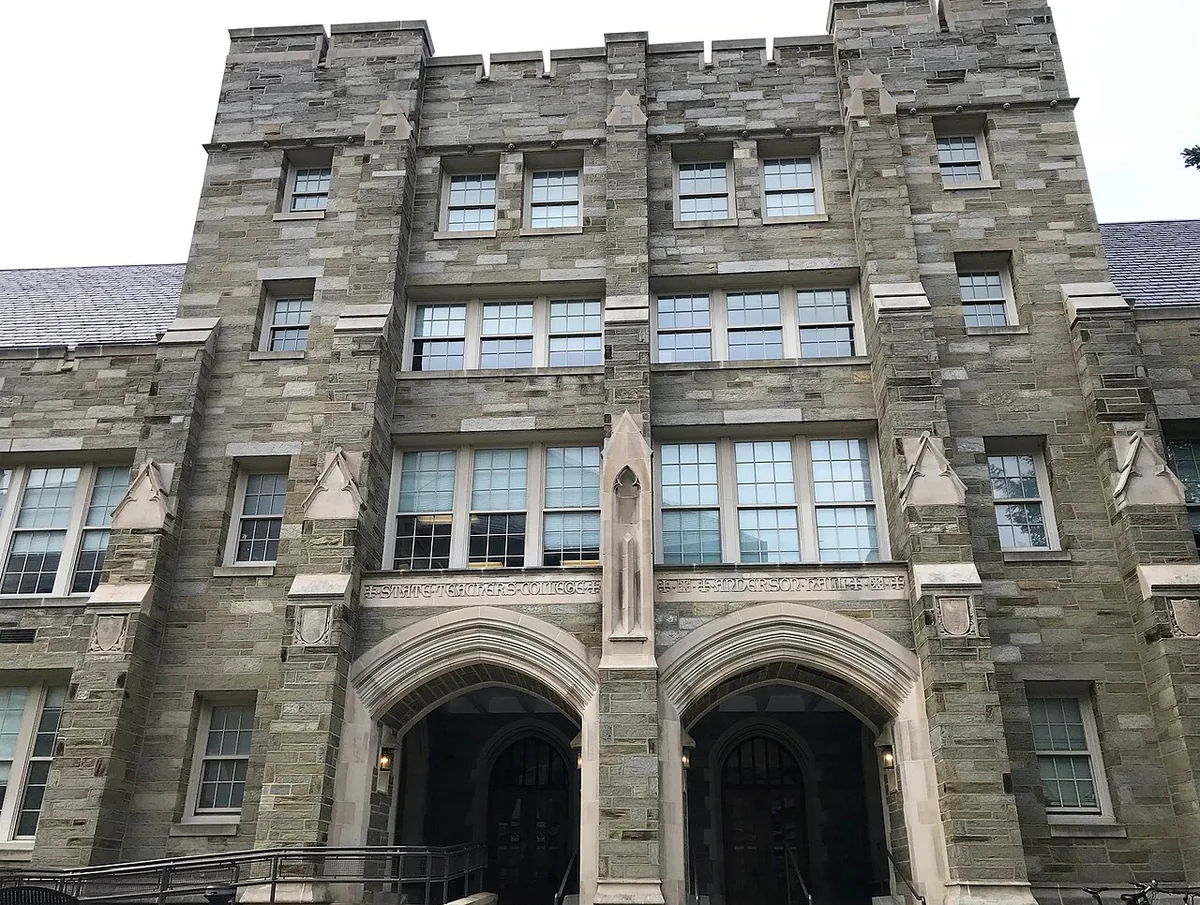
Associations should have an after-hours path for common-element leaks — a riser, a roof, a shared laundry — so a unit owner is not left arguing about a wet ceiling at midnight. Put this number in that path.
Cost and who is billed
Typical house mitigation on this site is in the $1,300–$5,500 guide when the scope is typical. Who pays — owner, tenant, association, or a carrier — is not something we decide on the sidewalk. We need a billing contact on the authorization. Do not assume a neighbor’s insurer has already agreed to our invoice.
After-hours contact trees actually have to work
A nicely designed after-hours poster in a lobby does not help if the only number on it rings a voicemail that is not monitored. Test the tree before winter. Name a backup person. Put this tracking number on the same sheet as the plumber and the alarm company. The first night you need it is a poor time to discover that the board president is out of the country without a delegate.
Frequently asked questions
I am the tenant. Can I just let you in?
If you have the owner’s authorization, or a lease right that covers emergency mitigation, yes. If you are unsure, get the owner on a message while we travel.
The board says the leak is a “unit problem.” Now what?
We can dry the rooms we are allowed to enter. Common-element questions stay with the association and its policy.
Can authorization be a text?
Yes, if it is clear and comes from someone who actually controls the space.
What if no one answers all night?
We cannot enter. Keep calling the decision-maker. We remain 24/7 at (484) 293-9465.
Do you need a signed packet before you extract standing water?
A clear written yes is the usual bar. We will not let a puddle spread because a form is still in a car, but we do need authority.
After the first yes
If the wet line later crosses into another unit, we will stop at that door and ask for a second authorization rather than “just finish the wall.” That habit protects everyone in a West Chester row or a multi-tenant suite.
Need extraction and still sorting who can say yes? Call (484) 293-9465 and start the permission thread now.