
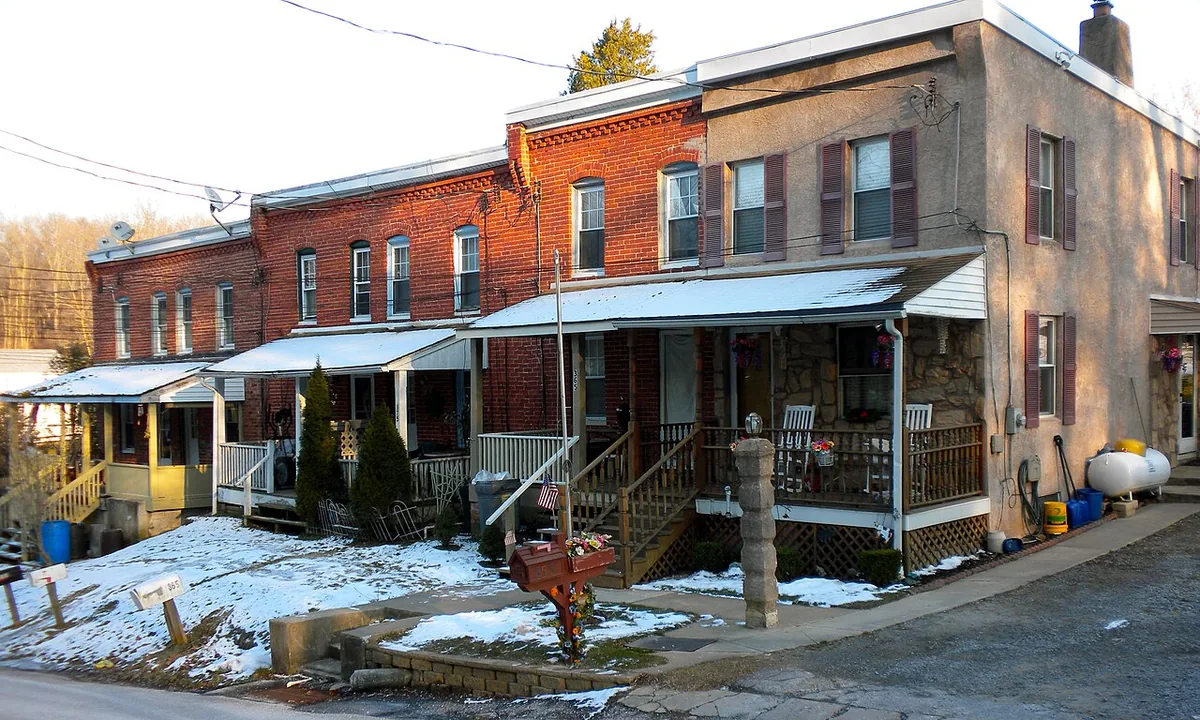
In compact borough housing, water does not always respect a deed line. A supply failure, a tub overflow, or a roof leak next door can appear as a stain on your plaster, a wet closet, or a ceiling in a West Chester twin, rowhome, or mixed-use building. This guide is about that crossing.
By Chester County Water Damage
If your side is wet now, call (484) 293-9465. We provide water damage restoration 24/7. We will not open a neighbor’s wall without a path and permission.
Why party walls hide moisture
Shared masonry, tight chases, and older plaster can move water laterally. You may see a circle on your ceiling while the broken fitting is in the next unit. Meters on your side tell us how far the wet line has traveled. They do not, by themselves, give us the right to enter next door.
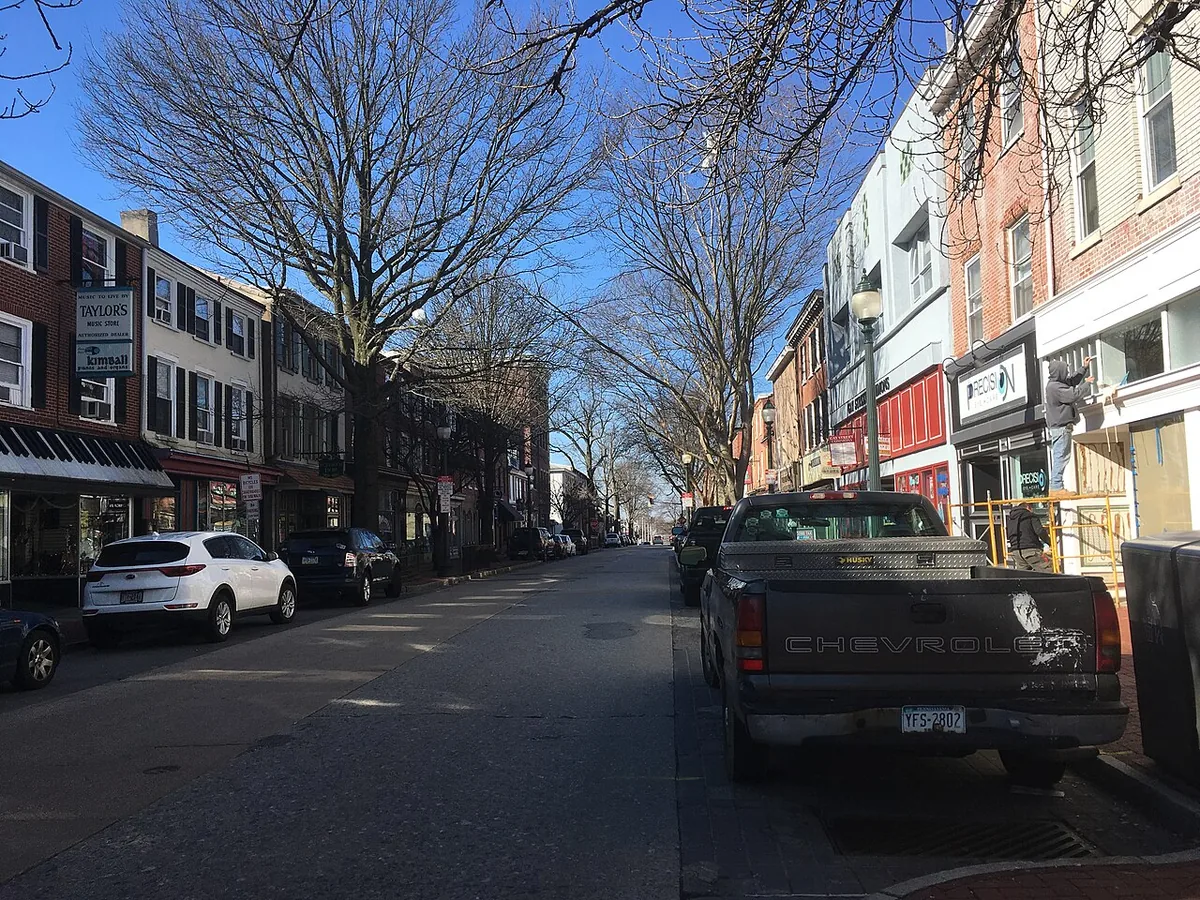
Downtown buildings add a vertical version of the same problem: a bathroom line over a shop, or a shop leak into a cellar apartment. Authorization has to cover both levels when the wet line crosses the floor.
What to do in the first hour
- Protect people from energized water on your side.
- Photograph your rooms before moving large items.
- Tell the neighbor or the landlord what you see, in writing if you can.
- If you rent, collect an owner path before anyone opens a chase.
- Do not assume your policy, or theirs, has already been chosen. Two carriers may be involved.
A short shared timeline — when you last saw the wall dry, when the stain appeared, what you heard — helps later more than an argument in the hallway.
What we can do with only one side open
We can extract and dry what we are allowed to reach, and we can document what we cannot. If the source is still running next door, drying your side alone may be a temporary hold. We will say that rather than run equipment against an open supply. Once access exists, a single moisture map that covers both rooms is worth more than two incomplete files.
Typical house mitigation on this site is in the $1,300–$5,500 guide when the scope is typical. A party-wall loss can be smaller or larger depending on how many units are wet. Commercial spaces in the same building follow commercial water damage rules for after-hours entry and tenant notice.
A simple responsibility table (not legal advice)
| Person | Usually needed for |
|---|---|
| Occupant who called | Access to their rooms; first photos |
| Neighbor occupant | Access if the source or the wet line is on their side |
| Owner or landlord of each unit | Authorization to open walls; insurance contacts |
| Building or HOA manager, if any | Shared chases, corridors, and notices |
| Mitigation crew | Dry and document only the spaces we may enter |
We do not referee leases or decide whose policy pays. We do make the file clear enough that two adjusters are not guessing from memory.
Older plaster and masonry, opened carefully
Borough interiors often include plaster and masonry that should not be opened on a guess. We would rather take more readings than remove a wide stretch of historic-looking finish. When a cavity must be opened, we photograph trim so a later carpenter has a record. If an exterior historic review applies to a facade change, that is a borough process; our work is almost always interior and should not wait on a facade conversation.
What not to do across the line
Do not cut a hole toward a neighbor’s finish without permission. Do not shut off a shared valve that might affect a whole row unless you know what it controls and have a right to close it. Do not start a public argument with photos of their interior that you were not invited to take. Your own rooms, your own timeline, and a written notice are enough to start a proper file.
Frequently asked questions
My neighbor will not answer the door. Can you still dry my rooms?
We can dry what we can reach and document the limit. A running source next door may cap how far that work can go.
Who should call the insurance companies?
Each owner or tenant should notify their own carrier and share the same photos when possible.
Can a landlord authorize work in a tenant’s unit?
Often yes, depending on the lease and access rights. We need a clear authorization, not a hallway rumor.
Is this the same as water coming through a stone foundation from the outside?
No. This article is about a neighbor’s indoor failure crossing a shared assembly. Outdoor seepage is a different source.
Do you work these calls at night?
Yes. (484) 293-9465 is 24/7.
Campus-area rentals and mid-semester timing
Near the university, mid-semester turnovers and vacant weeks can let a drip run unnoticed until it appears downstairs or next door. A higher water bill or a neighbor’s odor is a valid reason to call even if you cannot see the source yet. Permission still comes first.
A stain that may have started next door? Call (484) 293-9465 — homes and shop spaces, any hour.