
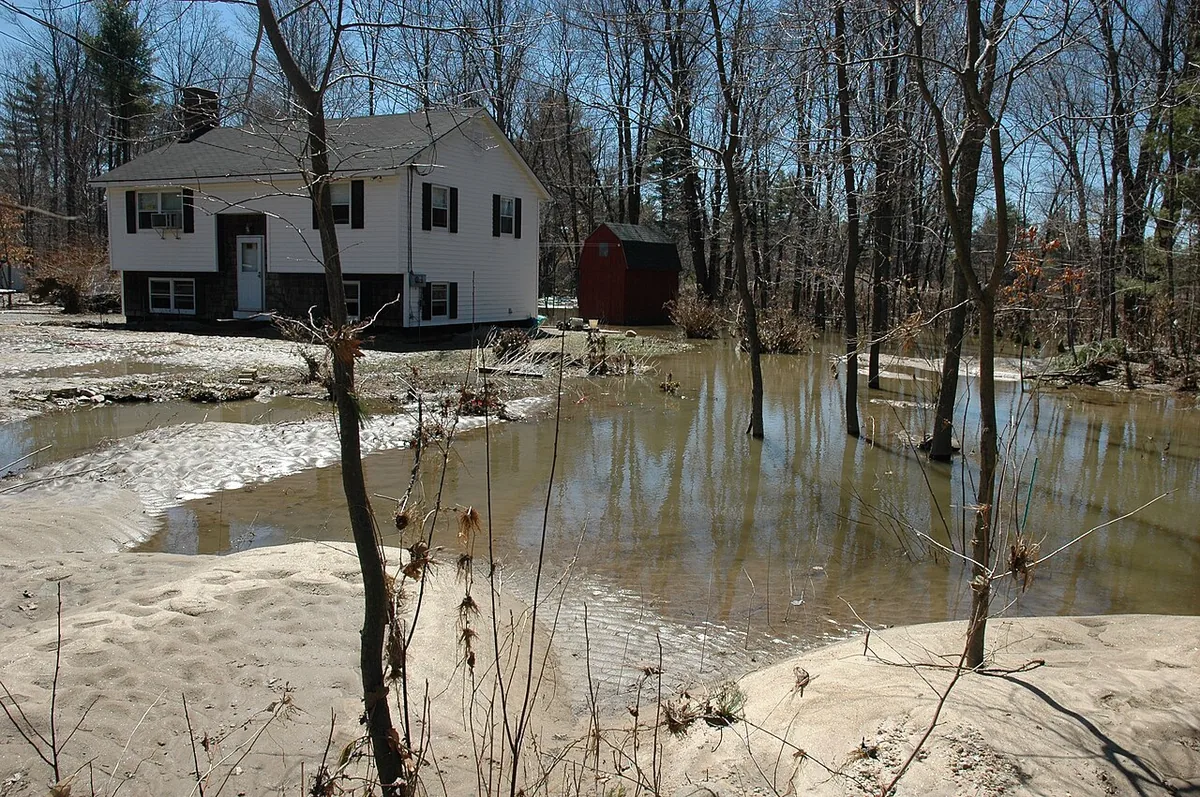
Chester County does not need a landfalling hurricane to take indoor water from a coastal storm. Nor'easters and the inland remnants of tropical systems can bring wind-driven rain, long-duration runoff, and high water on watched streams, including the Brandywine system near Downingtown.
By Chester County Water Damage
If water is already in a home or a workplace, call (484) 293-9465. We run flood cleanup and indoor drying 24/7. Enter only when it is safe.
Two storm types, one indoor problem
A nor'easter can sit offshore and deliver rain and wind for a long stretch. Hurricane remnants can arrive as a surge of tropical moisture, sometimes after the headlines have moved on. In both cases the indoor failures look familiar: rain at a roof or eave, water at a grade-level door, a pit that cannot keep up, or a stream that leaves its banks.
The 2021 tropical remnants that affected this county are a reminder that a “remnant” can still produce serious crests. We will not reprint a foot-by-foot table here without citing the official gauge record at publish time.
How to read NWS flood products without panic or delay
The National Weather Service uses different products for different urgency (NWS flood-related products):
- A Flood Watch or Flash Flood Watch means conditions are favorable; flooding is not certain or imminent. Use the time to prepare.
- A Flood Warning means flooding that poses a serious threat to life or property is occurring or expected.
- A Flash Flood Warning is more urgent: flash flooding is in progress, imminent, or highly likely.
- A Flood Advisory is less urgent than a warning but still worth attention.
Watches are a cue to move keepsakes, learn the shutoffs, and check a sump backup. Warnings are a cue to stay out of moving water and to call for help only when travel is safe. No article replaces official instructions during an emergency.
Once water is inside
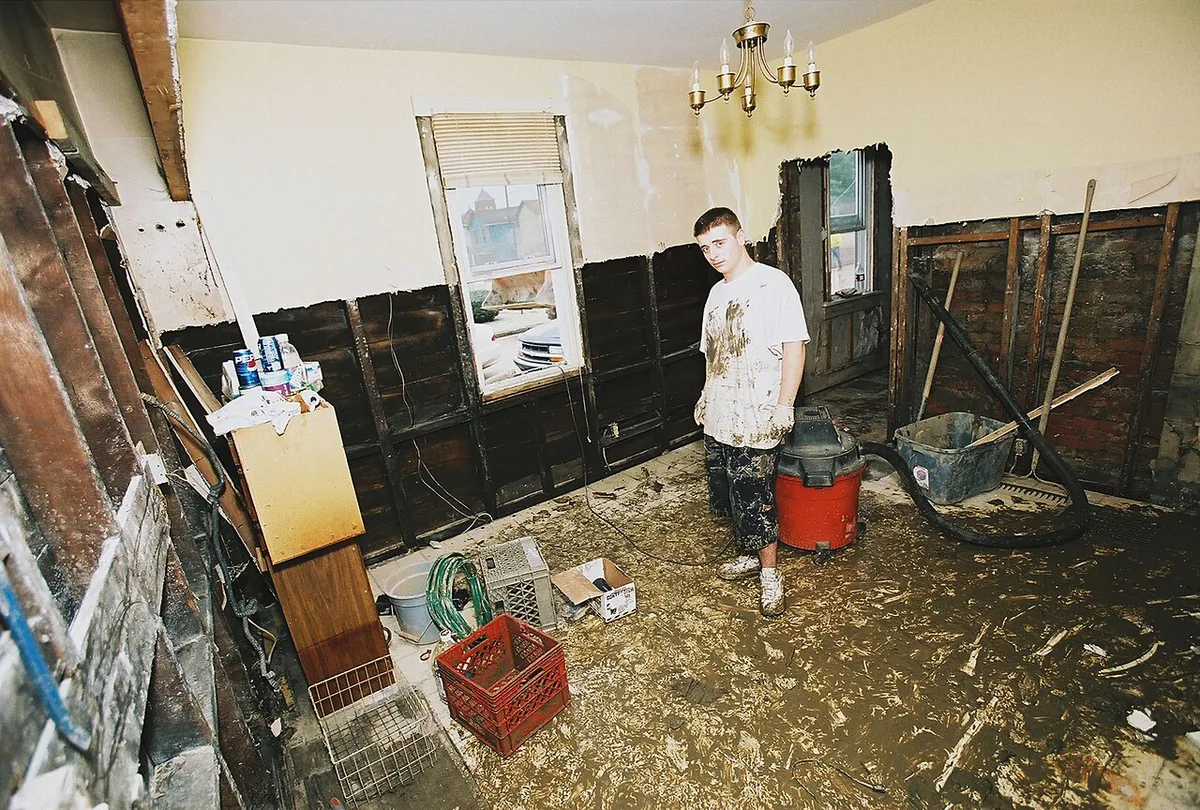
Outdoor water that entered at grade is scoped more cautiously than a clean indoor supply leak. Extraction still comes first when it is safe. Fans pointed at mud are not a cleanup. See flood damage cleanup and finished basement: what typically leaves.
Wind-driven rain that entered from above is assessed, not automatically labeled. IICRC’s weather-related position statement notes that weather intrusion is not automatically Category 3, even though some contaminated weather water belongs in that group (IICRC statement). We will say what we see on site.
Standard homeowners policies typically do not cover flood damage (FEMA). A sudden roof or eave failure may be a different conversation from rising surface water. Your carrier decides. Photograph everything.
A short action table
| When | Household or workplace |
|---|---|
| Watch issued | Move items off grade; confirm pump power; share this number with a keyholder |
| Warning or observed flooding | Stay out of moving or energized water; do not drive a flooded road |
| Water is inside and it is safe | Photos; shut what you can; call (484) 293-9465 |
| After the water recedes | Do not reoccupy a dirty lower level just because the street is passable |
Workplaces should plan after-hours access before the storm, not during it. See commercial water damage.
After the crest: hygiene and a slower calendar
When a street is passable again, the instinct is to put everything back. After overland water, that is rarely honest. Porous finishes and contents that sat in dirty water often leave. Appliances that stood in it need a qualified technician; we will unplug and photograph them, not reopen a warranty. If a workplace stored inventory at grade, list the cartons before a dumpster fills.
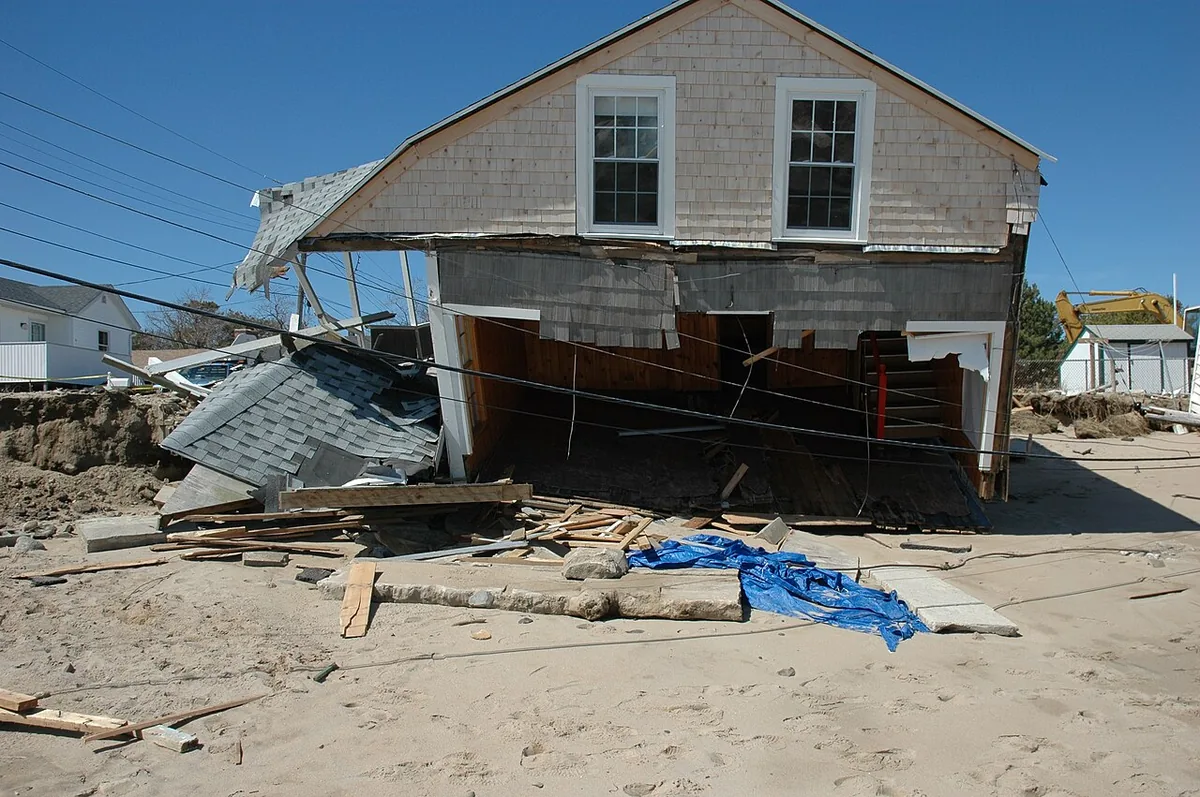
Power may still be uneven. Mention that when you call so drying equipment is not planned on a circuit that keeps failing.
This is not a flood-map tutorial
Official flood-hazard maps are planning tools at FEMA’s map service, and they do not decide whether your particular room is wet tonight. If water is inside, the mitigation question comes first. Mapping and insurance conversations can follow with the same photo set.
Frequently asked questions
Is creek water in a lower level a flood claim?
Often that is a flood-policy question. FEMA’s public guidance is that homeowners policies typically do not cover flood damage.
Can you come during the storm?
We answer 24/7. We will not ask a crew or a family to enter unsafe water or a closed road.
Do I need a flood map to call you?
No. Call if water is inside. Mapping is a planning tool, not a requirement for mitigation.
Will a nor'easter automatically be Category 3 water?
Not as a slogan. We assess the source and what the water crossed.
What does a typical cleanup cost?
Typical house mitigation on this site is $1,300–$5,500; dirty, large interiors can be much higher. The visit sets the figure.
Indoor water after a coastal storm or remnants? Call (484) 293-9465 when it is safe to do so.