
After a leak or a spill, the clock that matters is not only the insurance clock. The U.S. EPA’s household mold guidance says it is important to dry water-damaged areas and items within 24 to 48 hours to prevent mold growth (EPA brief guide).
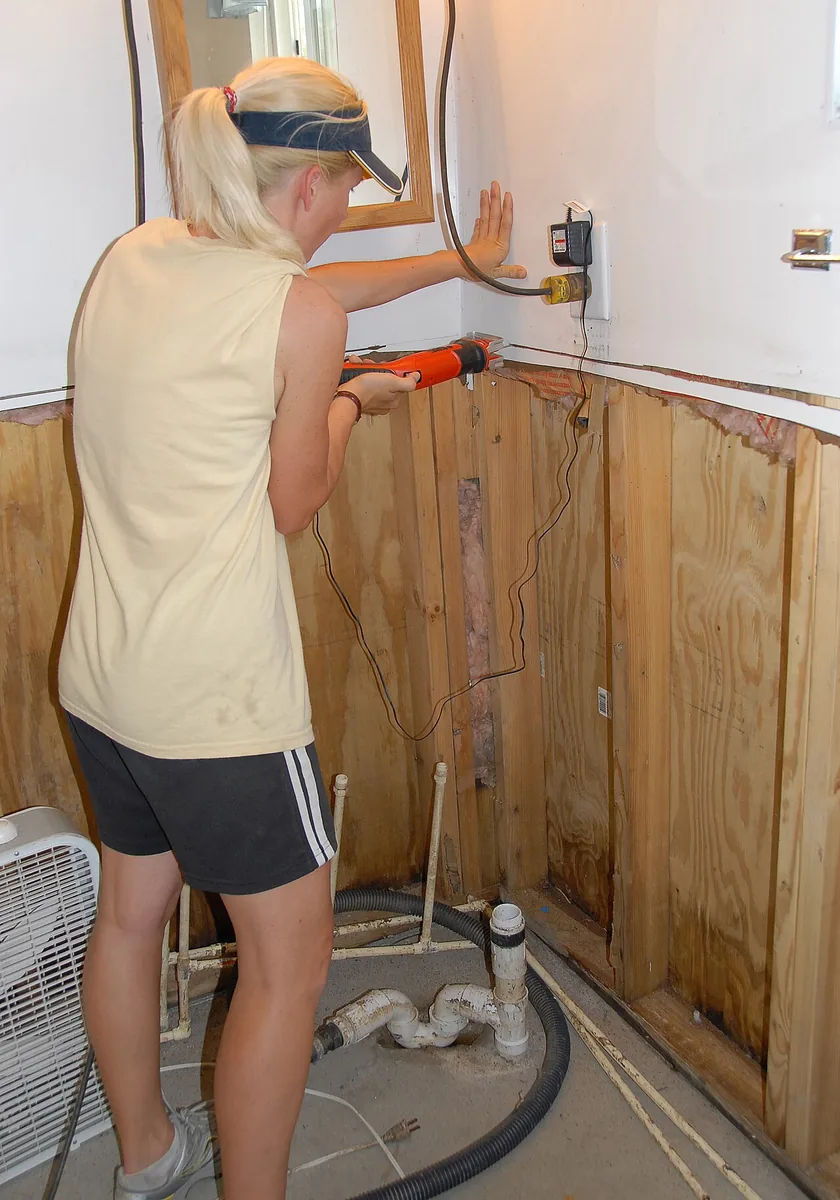
The same guide notes that if wet or damp materials are dried in that window, mold will not grow in most cases.
By Chester County Water Damage
This brand does not sell a mold-remediation package. We extract and dry. If water is in a home or workplace now, call (484) 293-9465 — 24/7 — so that window is not spent waiting.
What the EPA window is, and what it is not
It is a reason to start drying promptly. It is not a guarantee that growth cannot begin sooner in a warm, dirty cavity, and it is not a promise that every assembly will be at a dry target by hour 48. Some materials take longer to reach a measured goal even when drying started immediately. See how long structural drying usually takes.
The same EPA materials say the key to mold control is moisture control, and that cleaning without fixing the water problem often lets the issue return. That is why we talk about the source and the log, not only about odor later.
What actually fills those first two days
Hour one is safety and shutoff. Then photographs. Then extraction. Then a map of what is still wet behind the finish. A household that waits until the weekend “to see if it dries” can spend the EPA window on hope. A workplace that waits until Monday staff arrive can do the same. In Malvern and other commute towns, a weekday leak in an empty house is easy to find late. Call when you learn about it, even from a neighbor or an alert.
Dirty water shortens patience further. Outdoor water and sewage-related losses need a hygiene-first path, not a fan pointed at mud. See flood cleanup.
Signs that deserve a call even if you “already mopped”
- A musty odor in a room that was wet two days ago
- A stain that keeps spreading, or a baseboard that feels soft
- A ceiling that stained after a thaw or a leak you thought was done
- Staff or family reporting irritation in a recently wet room — mention it to a clinician; we do not diagnose
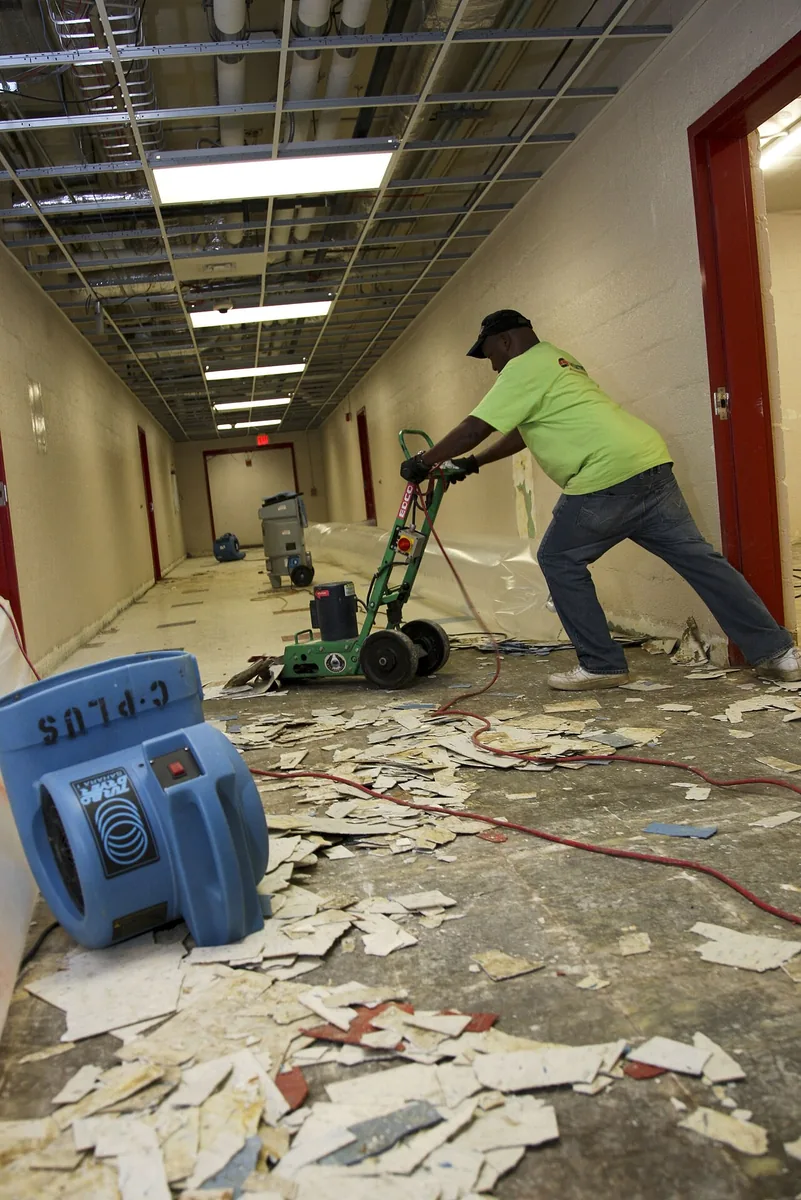
Odor is not a lab result. It is a reason to measure, not a reason to start a DIY chemical fog. This site will not walk you through unlicensed mold “kills.” If growth is already visible and more than a small area, the EPA also publishes cleanup guidance; we can dry wet materials and refer you to the right trade when that work is outside this brand.
A simple two-day checklist
| When | Do this |
|---|---|
| Immediately | Stop the source if safe; avoid energized water; photograph |
| Same day | Extract standing water; start a drying plan, not only a box fan |
| Within 24–48 hours | Keep drying going; do not close wet cavities behind new paint |
| After the window | If materials are still wet or odor appears, do not wait for it to “settle” |
Workplaces and occupied floors
A suite can look presentable and still be within the risky window behind a kick plate. Managers should not confuse a Monday opening with a closed moisture log. After-hours extraction is often the way to start the clock without shutting a public floor all day. See commercial water damage and water removal and drying.
Paint, perfume and other ways to lose the window
A fresh coat of paint on a still-damp wall, a heavy cleaner used to mask odor, or a closed basement door “so the rest of the house feels fine” can all hide a moisture problem without ending it. If someone already painted, tell us. We will meter through what we can and will not treat a new finish as proof that the assembly is dry.
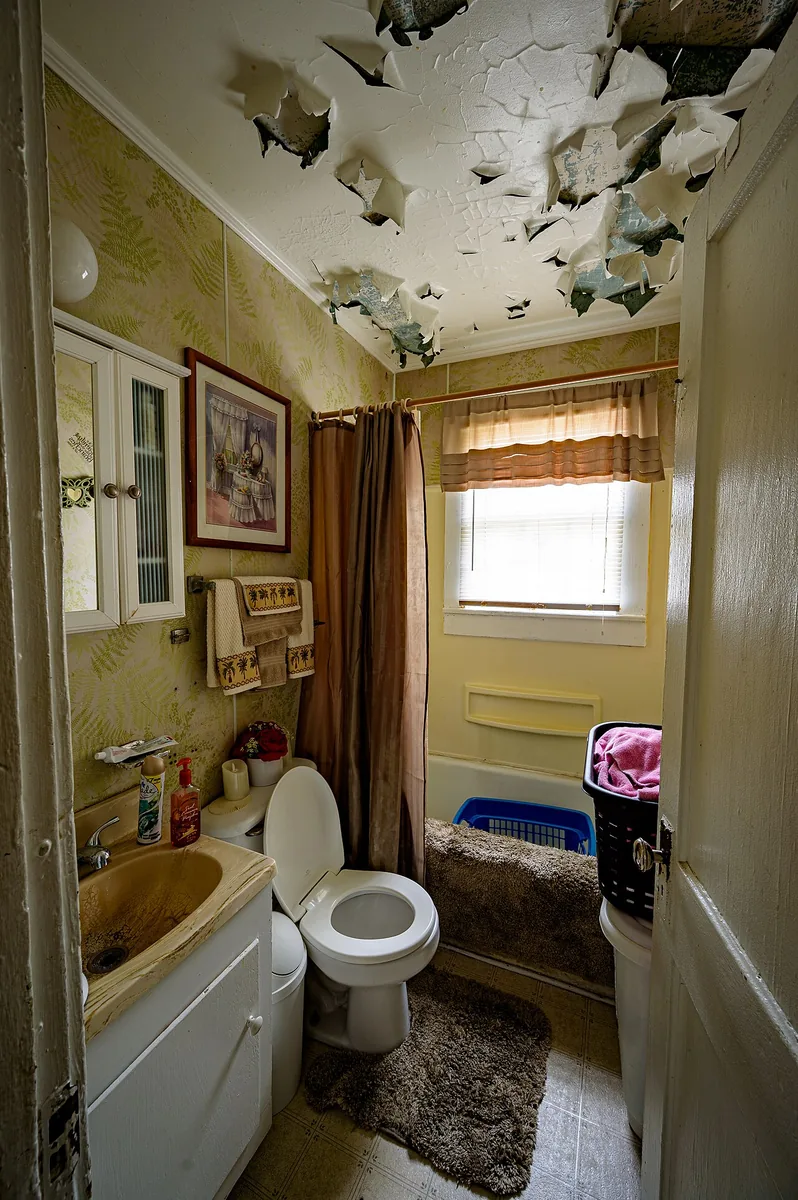
Landlords and workplace managers should resist the urge to reopen a room because it looks better in photographs. The EPA window is about actual drying. A pretty room can still be in the risky period behind the base.
A note on quotes and “mold insurance”
This page will not invent a statistic about how often growth starts on day two in Chester County, and it will not interpret a policy. Your carrier decides what, if anything, a later mold endorsement will pay. Our file will show when drying started and what the readings did.
Frequently asked questions
If I dry everything in two days, can mold still appear later?
If something stays wet behind a finish, yes. The EPA window assumes the materials actually dried.
Is this medical advice?
No. EPA publishes general indoor-air guidance. Talk to a clinician about health symptoms.
Do you remediate mold here?
Not as a service offer on this domain. We dry wet assemblies and document the work.
Does dirty water change the timeline?
It changes hygiene and what must leave. It does not make waiting safer.
What does a typical drying job cost?
Typical house mitigation on this site is in the $1,300–$5,500 guide. The visit sets the number.
Water in the building and the clock is running? Call (484) 293-9465 any hour.