
Once the puddle is gone, the building is not automatically dry. Structural drying — getting assemblies back to a measured target — often runs for several days and sometimes longer. There is no honest single number for every Chester County house or suite. This page explains what stretches or shortens the log.
By Chester County Water Damage
If water is still in the building, call (484) 293-9465 first. Water removal and drying is a 24/7 service for homes and workplaces. This article will not promise a day count we cannot keep.
Why “it felt dry on Tuesday” is not a timeline
A bare foot on a slab, or a hallway that looks normal, can hide a wet plate or a damp cavity. We close a job when instruments agree with a local dry standard, not when the visible water is gone. That is the difference between mopping and a drying plan.
The U.S. EPA advises drying wet or damp materials within 24 to 48 hours when you can, to reduce the chance of indoor mold growth (EPA brief guide). That window is about starting and pursuing drying promptly. It is not a claim that every assembly will have reached its target by hour 48.
What usually makes a job shorter
- The water was clean, shallow and found quickly.
- Finishes are non-porous, or only a small area is wet.
- We can extract thoroughly and open the cavities that need air.
- Power is stable and equipment can run continuously.
- Access is easy — a house we can work through the day, or a suite that can stay closed for a short, intense dry.
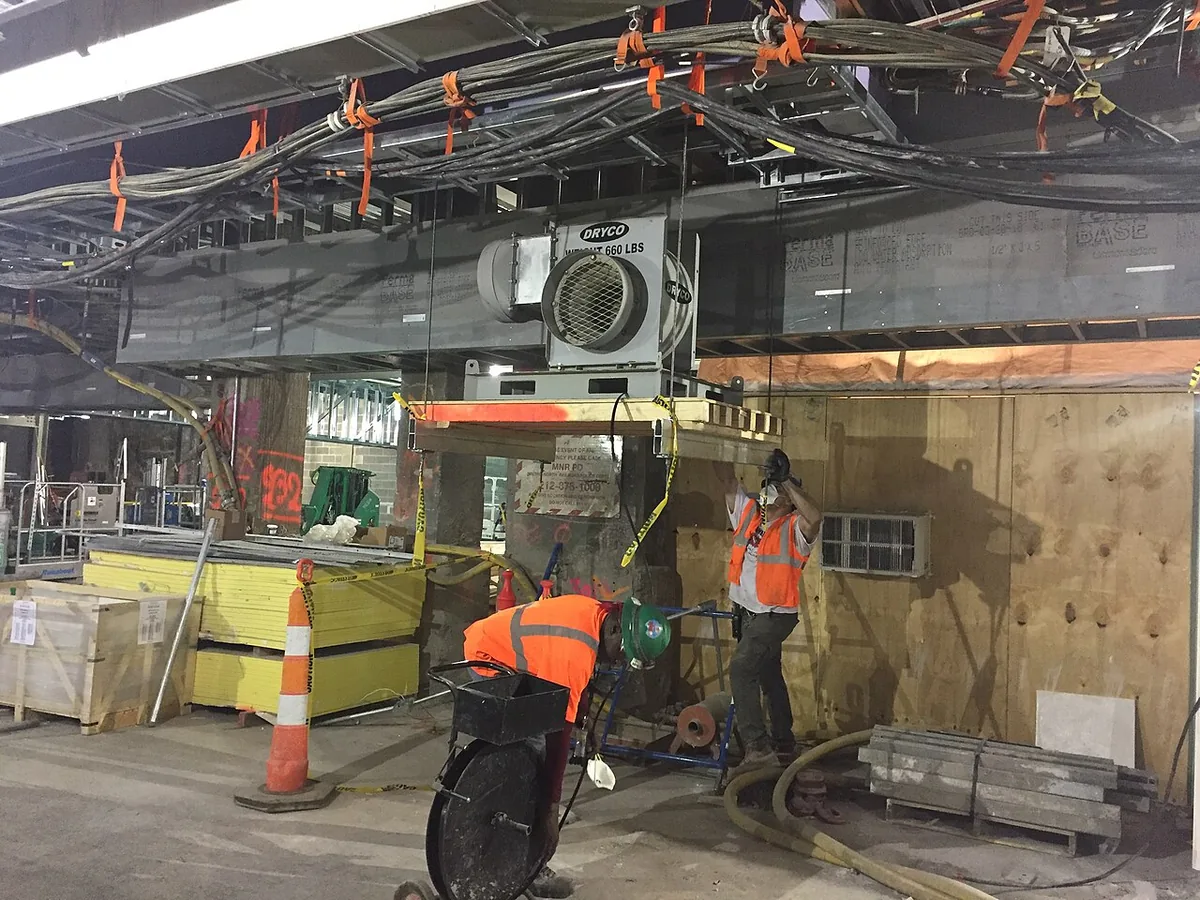
In those conditions, a contained loss may be on equipment for a few days after extraction. That is still a range, not a guarantee.
What usually makes a job longer
- Water sat overnight or longer before anyone called.
- Masonry, plaster, tight chases or hardwood that has already moved.
- A large footprint, including multiple rooms in an Exton townhome or an open office floor.
- Dirty water that requires removal before drying can even start. See flood cleanup.
- Intermittent power, or a workplace that can only accept noisy equipment after closing.
- A second leak or a roof that is still taking weather.
Dense, low-permeance materials (a “hard to dry” situation in S500 class language) can need a specialty approach and more time. We will say that when we see it, rather than running a hallway fan for a week and hoping.
A realistic sequence, not a calendar promise
| Stage | What you may notice | What “done” means |
|---|---|---|
| Extraction | Hoses, standing water leaving | Surface water is gone |
| Openings (if needed) | A lower wall strip, pad out, or a ceiling access | Wet cavities can actually dry |
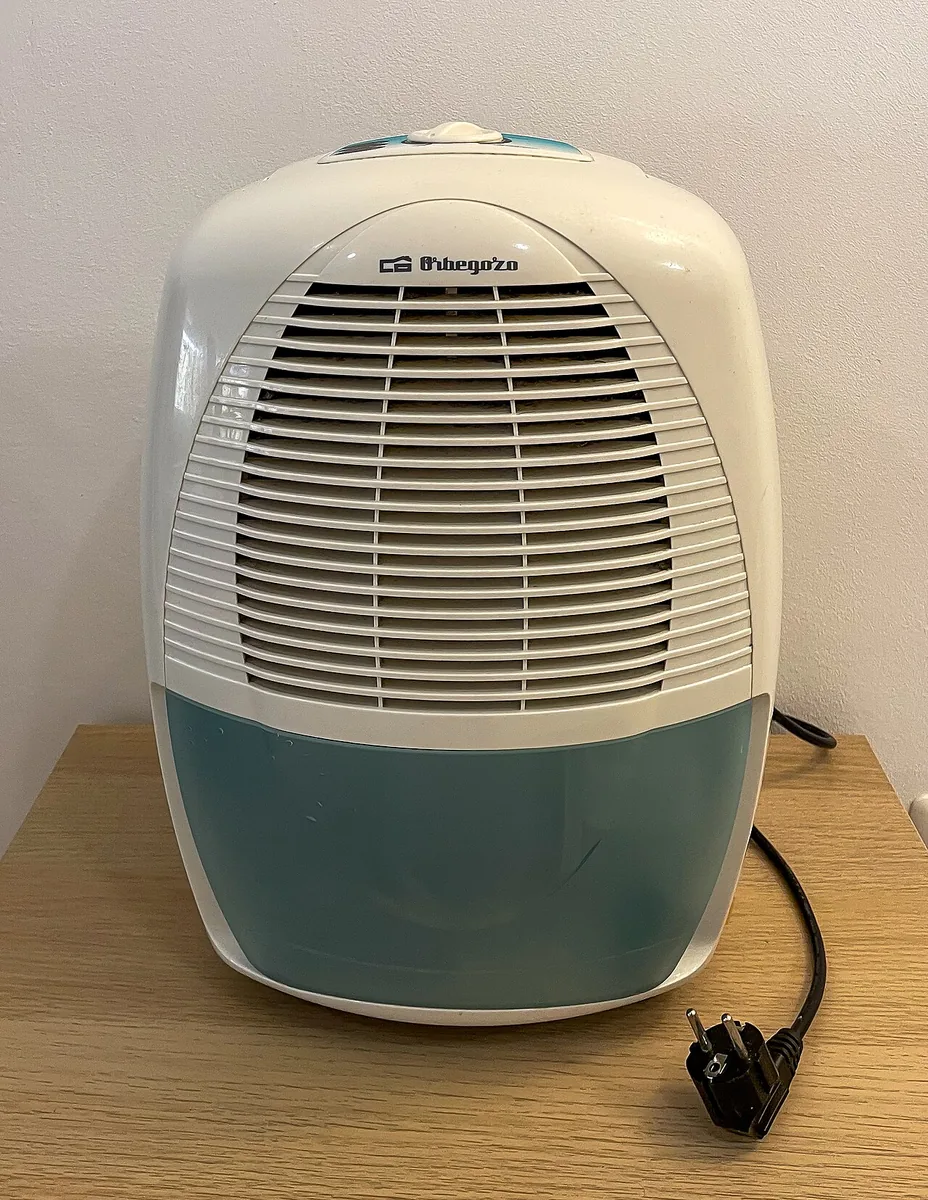
| Equipment days | Air movers, dehumidifiers, daily readings | Moisture trend toward a target |
| Close-out | Equipment leaves | The log is at goal, not merely “feels dry” |
Households often ask whether they can sleep in the house during the equipment days. A dry upstairs bedroom is a different answer than a single-floor plan with machines in the only hall. We explain noise and placement; we do not invent health claims.
Workplaces and the Monday temptation
A manager may want a suite “ready for staff” after a weekend leak. Sometimes extraction happens Sunday night and a tighter footprint can run during the week. Sometimes the log cannot honestly close by Monday morning. An early reopening that buries wet materials is a later problem. See commercial water damage.
Cost and time are related, but not the same curve
Typical house mitigation on this site sits in the $1,300–$5,500 guide. A longer dry can mean more equipment-days, which can move a figure inside or above that band. A short dry is not automatically cheap if a lot of material had to leave first.
Weather, masonry and other local slowdowns
A cold, wet week can slow indoor drying if the building is leaky or if a still-open roof is feeding humidity. Older masonry in borough cores holds water differently than a recent townhome. We would rather add a day to the log than declare a plaster wall finished because a surface reading looked friendly. If a storm is still in the forecast, mention it so we can plan around another weather load.
Who comes back to read the meters
Someone has to see the trend. In a house, that may be a daily visit while you are at work. In an Exton suite, it may be an early-morning stop before staff arrive. If no one can provide access, the equipment may still run, but we cannot honestly adjust the plan. Put access in the authorization, not in a later text thread.
Frequently asked questions
Can you give me an exact end date on the first call?
No. We can give a range after we have mapped the loss, then update it from the readings.
Does 24 to 48 hours mean the house will be finished by then?
No. It is EPA’s guidance about drying wet materials promptly to reduce mold risk, not a close-out deadline.
Why is my neighbor’s job shorter than mine?
Different category, different finishes, different time-to-call. Comparing day counts without those facts is misleading.
Do you leave equipment running overnight?
Usually yes, if it is safe and the building can support it. We will tell you what to expect.
What if I have to travel mid-job?
A keyholder can allow daily readings. Do not shut the equipment off to “save electricity” without talking to us.
Need a measured dry-out in a home or workplace? Call (484) 293-9465 any hour.