
A moisture meter does not “fix” a wet room. It tells a crew whether an assembly is still holding water, whether a wall must be opened, and when equipment can come out. That is the difference between a measured drying plan and a hallway of fans left running until someone guesses the job is done.
By Chester County Water Damage
If rooms are wet now in a Paoli house or workplace, call (484) 293-9465. Water removal and drying is 24/7. This article explains the tools; it does not replace a visit.
What the instruments are for
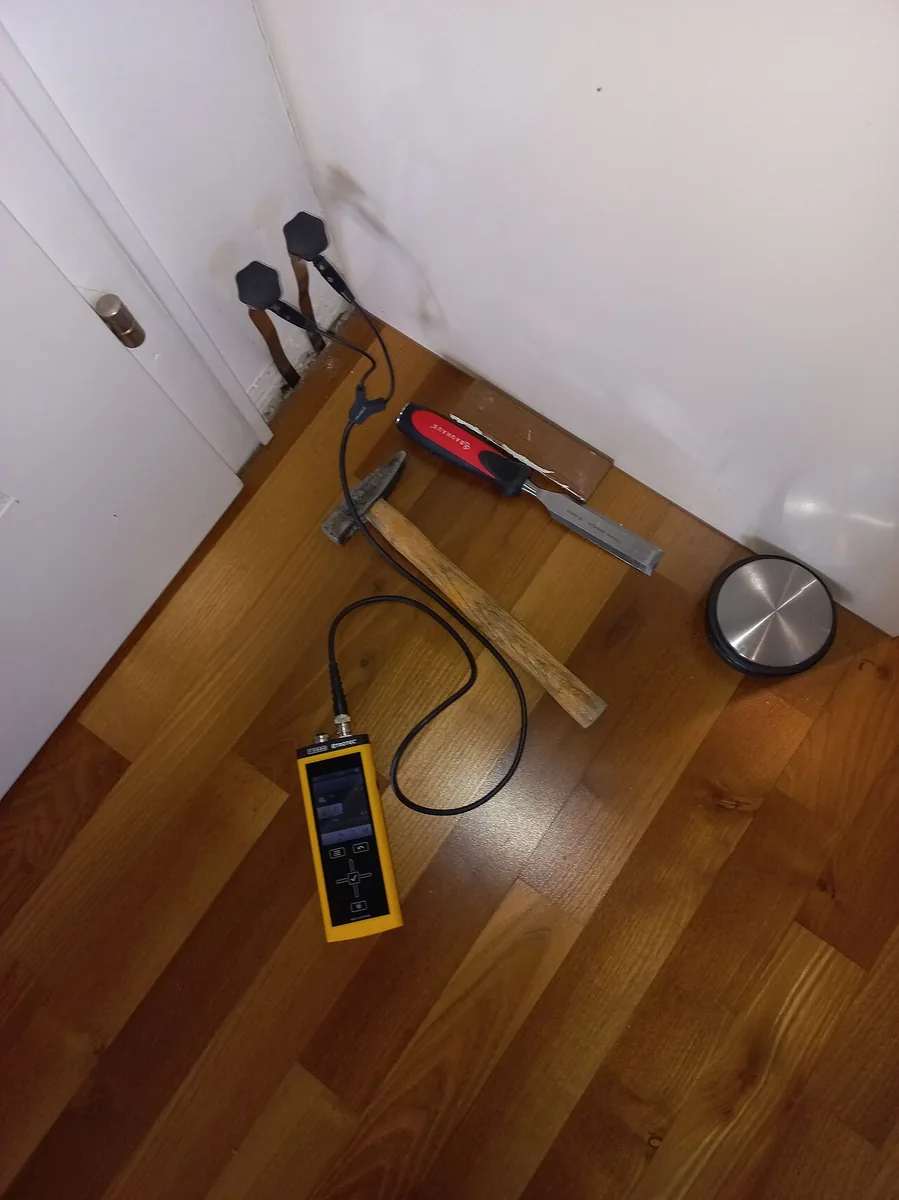
Restorers use meters and related tools to find moisture that a hand cannot, to set a drying goal, and to show a trend toward that goal. Pin-type meters read through contact with a material. Pinless meters can scan a surface without making holes. Thermal cameras and hygrometers may support the same story; they are not magic, and they are only as useful as the person interpreting them.
The ANSI/IICRC S500 standard describes professional water-damage restoration, including inspections and drying technology (IICRC S500). We cite it as the industry standard of care, not as a claim that a particular credential is already on file.
How a reading changes the plan
A high reading in a lower wall can mean we open a strip of finish rather than hoping air will wander into the cavity. A reading that has already returned to a local dry standard can mean we leave a surface in place. A reading that is worse than yesterday can mean the source is not actually stopped, or that equipment needs a different placement.
Without those numbers, two honest people can argue about a wall that “feels fine.” That argument is how wet pad stays down and how a Monday reopening happens too soon. See how long structural drying usually takes.
What you should expect to see on a job
- A first map of the rooms we are allowed to enter
- Daily or regular readings written down, not only held in someone’s memory
- A decision about openings based on those readings
- A close-out when the log meets the goal, not when the room merely looks better
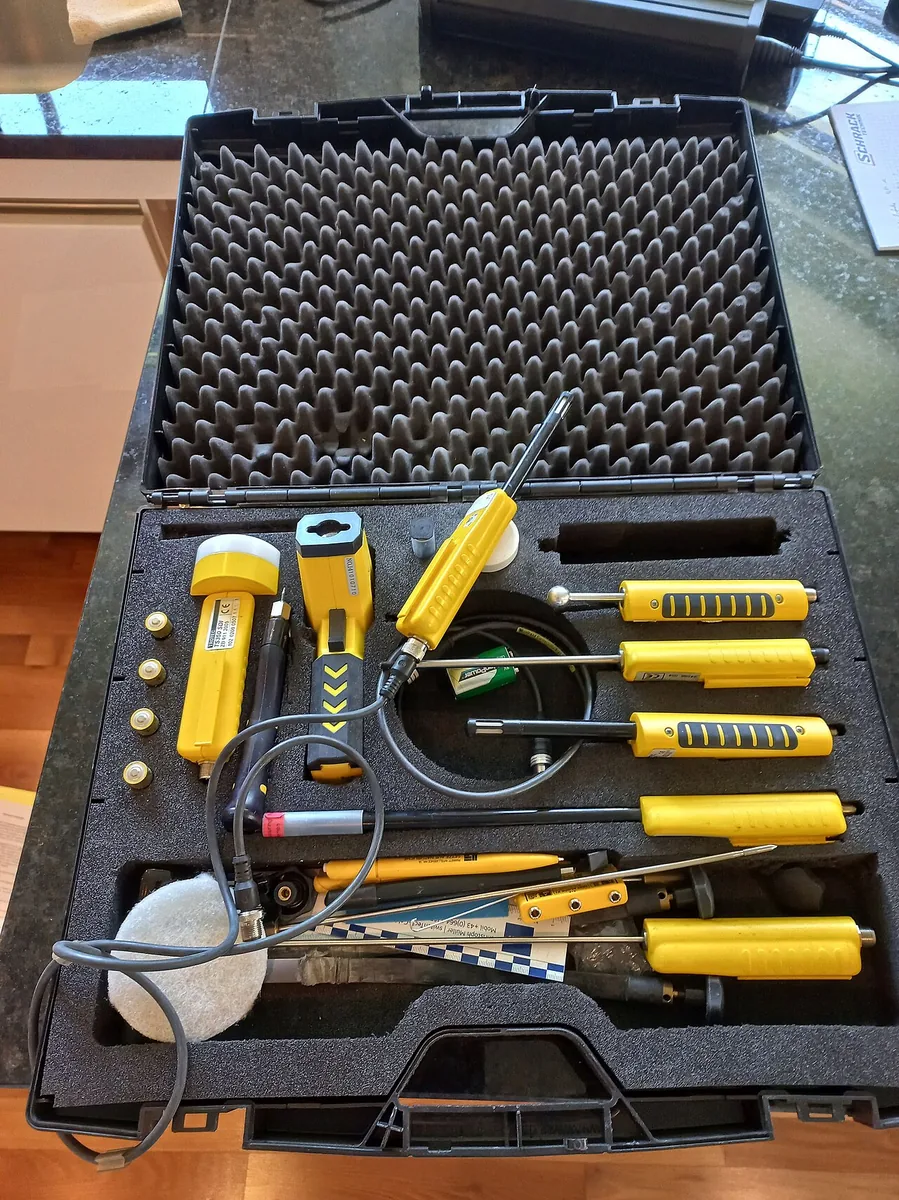
Ask to see the log. You do not need to be an expert to notice whether readings are being taken.
A small comparison
| Approach | What you get | Where it falls short |
|---|---|---|
| Touch, sight, and a box fan | Fast, cheap surface effort | Misses cavities; no close-out standard |
| Meters plus extraction and dehumidification | A written trend and a goal | Takes access, time, and equipment |
| Meters without stopping the source | Pretty numbers that bounce back | The leak is still the leak |
Workplaces in professional buildings should budget time for readings around office hours. An early stop before staff arrive is often enough. See commercial water damage.
What meters do not do
They do not declare a policy covered. They do not identify a species of mold. They do not make a still-open roof dry. They do not replace photographs of the source. Typical house mitigation on this site remains in the $1,300–$5,500 guide when the scope is typical; the log is how we know when that work is actually finished.
Dry standards are local, not a single magic percent
A drying goal is set against a comparable dry material in the same building, or against an accepted target for that assembly, not against a number copied from the internet. Two houses can close at slightly different readings and both be honest. What we will not do is declare a wall finished because a hallway “smells better.” If you want the close-out threshold in writing, ask. It belongs in the job file with the first map.
In older Main Line interiors, plaster and masonry can trick a casual scan. We slow down on those assemblies rather than treating them like a new gypsum wall. If a reading is conflicting, we take another rather than argue with the first number.
Frequently asked questions
Can I buy a cheap meter and skip a crew?
A home meter can be a useful check after a tiny, clean spill. It is easy to misread, and it does not extract water or dry a pad.
Will you leave a copy of the readings?
Yes. That file is part of what you can hand a carrier.
Why did you want to open a wall that looks dry?
Because a surface can hide a wet plate. The meter is how we justify the opening — or skip it.
Do readings hurt plaster or hardwood?
Pinless scans avoid extra holes. When pins are needed, we use them carefully and tell you why.
How often do you come back?
Often enough to see a trend. Access in a house or a Paoli suite has to allow that.
A note for sellers, buyers and managers
A closed log is a better story at sale or lease time than a verbal “we ran fans for a week.” We will not invent a past job we did not perform. If you are mid-loss, starting the map now is the useful step.
Need a measured drying plan? Call (484) 293-9465 — homes and workplaces, any hour.