
Two houses on the same block can produce very different water-mitigation figures after what looks like “the same leak.” The number follows measured area, water category, how long the water sat, and how hard the assemblies are to dry — not a flat package. This page explains the drivers behind the guide ranges on our pricing page.
By Chester County Water Damage
If water is still entering a home or a workplace, call (484) 293-9465 now. We answer around the clock. The ranges below are guides, not bids.
The published bands, and what they are not
On this site, a typical house mitigation is described in the $1,300–$5,500 band. A small, contained clean-water loss can start near $500. A large footprint or contaminated (Category 3) loss can reach $10,000+. A basement pump-and-dry often falls between $750 and $4,000. Those figures come from public national cost summaries and are the same numbers used on our service pages. They are not contracts.
A written estimate follows a visit: meters, a source, and a plan for what must leave. That is why a phone ballpark is only a starting point.
Four things that move a number more than the street address
How much water, and how dirty it is. A broken supply line over a small bath is a different job from overland water that entered a finished lower level. Contaminated water usually means more material leaves, which changes labor and disposal. Category and class — contamination versus how much must evaporate — are explained in a separate guide on this blog.
How long it sat. Water that reached wall cavities overnight is not the same as a puddle you found while it was still on the tile. Extra time often means more openings, more equipment-hours, and a longer log.
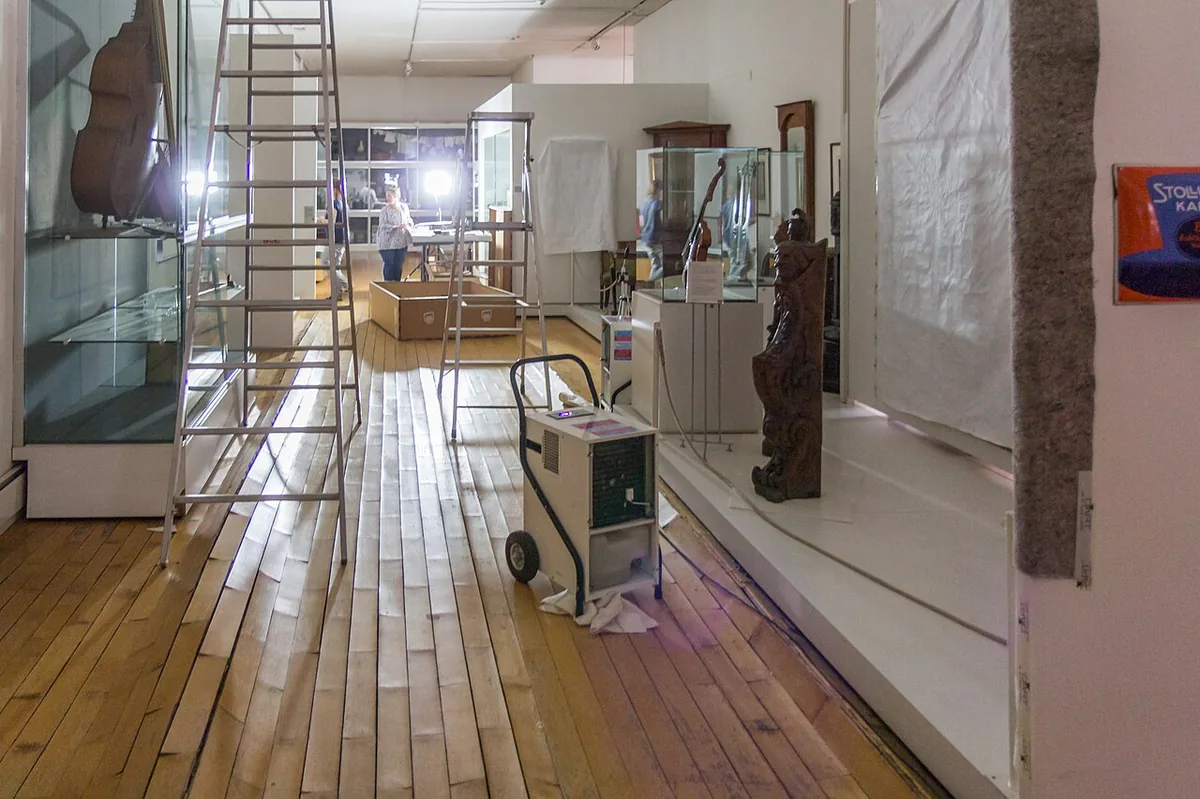
What the finishes are. Plaster, hardwood, tight chases and custom shop fixtures do not dry like a bare concrete floor. Older borough interiors in places such as West Chester often need a more careful opening plan, which shows up in the estimate even when the puddle looked modest.
Access and timing. After-hours work in a suite, a narrow alley, a gated lot, or a building that must stay partly open will change staging. Workplaces are quoted from measured area and constraints, not from the house table alone. See commercial water damage.
What is usually in a mitigation figure — and what is not
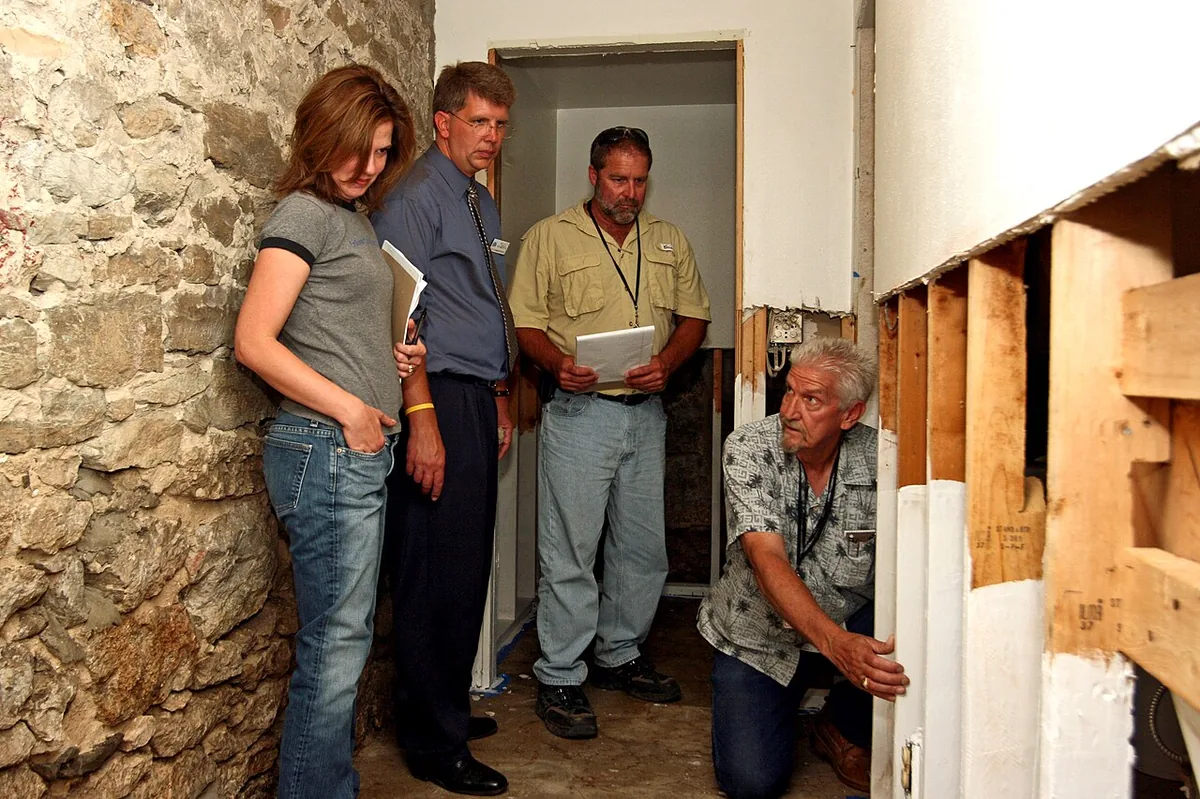
A mitigation estimate typically covers extraction, placement of drying equipment, moisture readings, and the photo set that goes with the log. It may include removal of unsalvageable wet materials when hygiene or drying requires it.
It usually does not include a full remodel, specialty data recovery, well or septic repairs, or a promise about what an insurer will pay. Finish work, if you ask for it later, waits until the moisture log is closed. That second conversation is easy to confuse with the first, which is one reason two “quotes” sometimes describe two different scopes.
A simple way to compare two written estimates
Ask each company to put the following on one page:
| Item to compare | Why it matters |
|---|---|
| Source and water category (as assessed on site) | Hygiene and what must leave |
| Rooms and assemblies included | Prevents a low number that skips a wet closet |
| Equipment plan and a drying goal | “A few fans” is not a measured plan |
| What is excluded | Rebuild, contents, after-hours fees |
| Who authorizes extra openings | Avoids surprises mid-job |
If one number is much lower, it may simply omit work the other included. That is not automatically better.
Homes, shops and why a “package” price is a poor fit
A townhouse laundry leak and a restaurant line that runs after closing can both be water jobs. They do not share a package price. Retail stock, shared corridors and a required opening time change labor even when the wet area looks similar on a sketch. We still use the same meters and the same 24/7 number.
How to use this when you call
Tell us the town, whether it is a house or a workplace, what you think the source was, roughly how many rooms are wet, and whether anyone has already shut the water off. We can sometimes give a guide range from that, then confirm on site. For West Chester addresses, the local page is a useful starting point; the estimate still follows the rooms we measure.
Frequently asked questions
Is the $1,300–$5,500 band a quote for my house?
No. It is a public guide range for typical house mitigation on this site. Your written estimate follows the visit.
Do night calls automatically cost more?
Emergency timing can affect labor. We will not invent a hidden night tariff here. Ask us to put timing in the written scope.
Why would a shop cost more than a house with a similar puddle?
Access, after-hours constraints, inventory protection and how much of the floor must stay open often add time.
Can I get a number from photos alone?
Photos help. They do not replace a moisture map. Hidden cavities change the plan.
Will insurance pay the whole estimate?
We document the source, the rooms and the readings. Your carrier interprets the policy. We do not promise payment.
Need a written estimate after a water loss? Call (484) 293-9465 any hour — homes and workplaces.