
The impulse after a leak is to grab whatever is in the garage and start “cleaning up.” Some of those habits spread contamination, hide moisture, or put you near electricity in standing water. This checklist covers five things to skip, and what to do instead, in a Chester County house or workplace.
By Chester County Water Damage
If water is still flowing, or if you cannot reach a panel from a dry floor, call (484) 293-9465. We answer 24/7 for homes and businesses.
1. Do not walk into energized water
If standing water may be touching outlets, extension cords, a furnace, a sump, or a power strip, stay out. Reach a breaker only from a dry surface. If the panel itself is in the wet room, leave it alone and call for help. This is true in a borough basement and in a ground-floor suite.

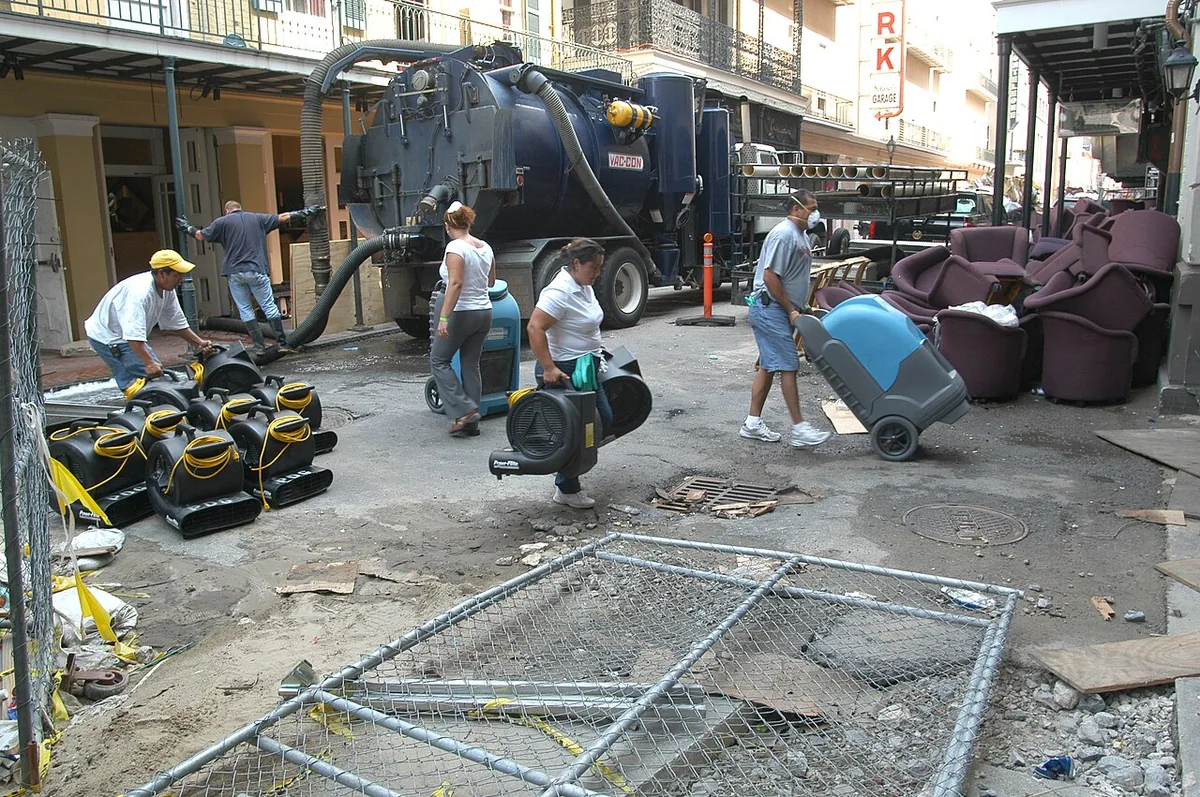
2. Do not treat a household shop vacuum like a restoration extractor
A shop vacuum is a useful dry-shop tool. It is not designed to stand in as a professional extractor, especially in dirty or unknown water, and it can throw spray or pull contaminated water through a motor that was never meant for that job. The U.S. Environmental Protection Agency discusses purpose-built wet (water-extraction) vacuums for removing accumulated water and cautions that those tools must be cleaned and dried after use because spores can stick to tanks and hoses (EPA mold course, Chapter 4). A garage shop vac is not automatically that tool, and it is the wrong choice for sewage or outdoor floodwater.
If the water is a small, clean spill on a hard floor and you can work from a dry area, towels and a purpose-built wet vac may help you contain it until a crew arrives. That is not a license to vacuum a soaked carpet pad or a muddy basement.
3. Do not cover wet carpet with newspaper, towels you then leave in place, or foil “to protect the furniture”
Old advice sometimes suggested sliding foil or plastic under furniture legs and spreading newspaper on wet carpet. Paper left on a wet floor becomes another damp, organic layer. Furniture still needs to come off the wet finish or sit on blocks if you can lift it safely. The goal is air and extraction, not a blanket that traps moisture. For how drying actually runs, see water removal and drying.
4. Do not turn the thermostat into a “drying system” and walk away
Cranking the heat or pointing a box fan at a puddle can evaporate some surface water and drive humidity into the next room. It does not replace a moisture map, and it can warm a wet cavity in a way that favors growth. The EPA’s household mold guide stresses drying wet materials within 24 to 48 hours when you can (EPA brief guide). Speed matters; guessing with household fans is not the same as a measured plan.
5. Do not start tearing out finishes before anyone has metered the rooms
Opening a wall can be necessary. Opening the wrong wall, or pulling a wide stretch of plaster in an older Malvern borough house on a guess, creates a rebuild you may not have needed yet. Photograph first. Then extract. Then open what the readings require.
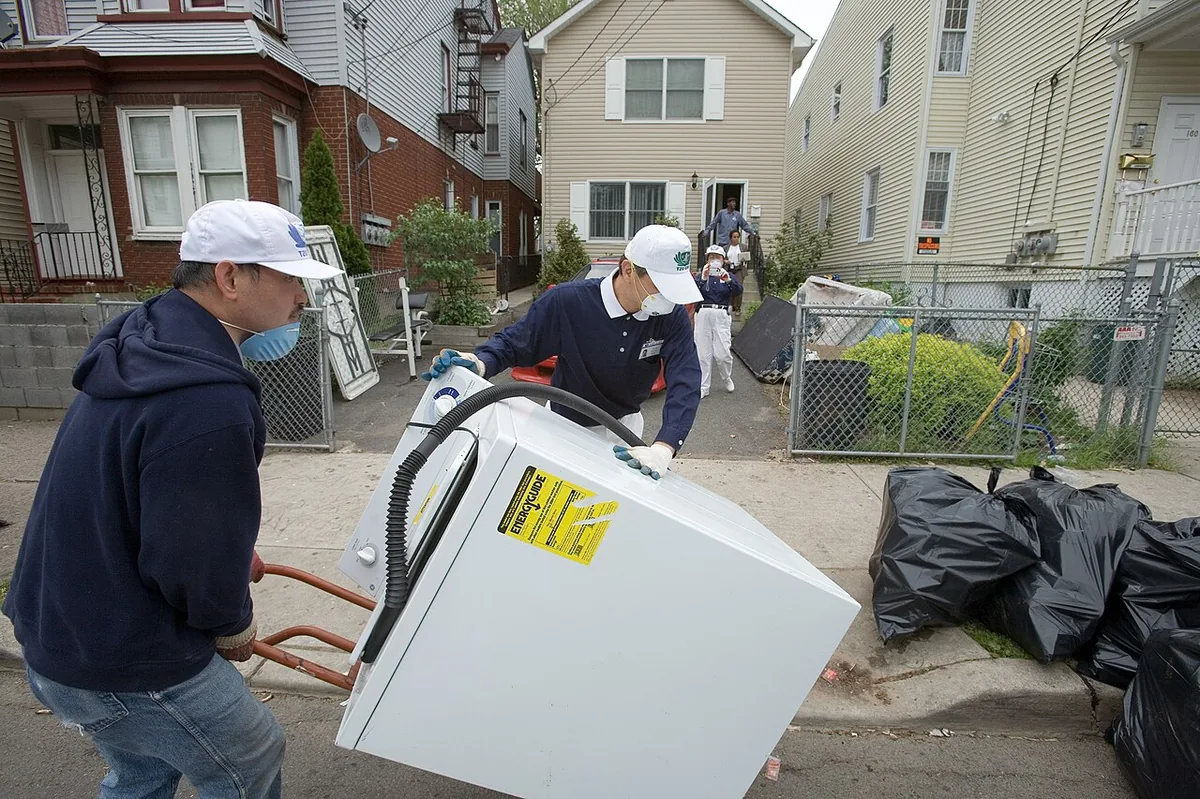
A related mistake in workplaces: throwing out labeled records or unscrewing a wet ceiling full of tiles without a photo set and a manager’s okay. See the manager checklist on this blog and the commercial water damage page.
A short “do this instead” list
- Shut the source if you can do so safely.
- Keep people and pets out of energized water.
- Photograph rooms before moving large items.
- Lift small, dry valuables to a dry room.
- Call a 24/7 mitigation number if the loss is more than a contained spill.
Why these habits persist
They feel productive. A shop vacuum makes noise. A stack of newspaper looks like a plan. In a workplace, a manager may want the lobby “presentable” before the doors open. Presentable is not the same as dry, and it is not the same as documented. Typical house mitigation on this site still follows the $1,300–$5,500 guide when the scope is typical; skipping the mistakes above does not replace that work, but it can keep a small loss from becoming a larger one.
Frequently asked questions
I already used a shop vacuum. Now what?
Stop if the water may be dirty. Unplug the machine from a dry area, and tell the crew what you used it on so they can treat the tool and the room accordingly.
Can I run household fans overnight?
They can move some surface moisture. They are not a moisture log. If cavities are wet, call rather than hoping the fan finishes the job.
Is foil under furniture legs still useful?
Blocks or coasters that lift a leg off a wet finish can help. A sheet that traps damp air under a sofa does not.
What if the water came from outside?
Treat it more cautiously than a clean supply leak. See flood cleanup. Skip the shop vacuum entirely in that case.
Do these steps change in an office?
The same five skips apply. Add access notes, tenant notice and a photo set for the file.
Standing water in a house or a workplace? Call (484) 293-9465 — day or night.