
On a professional water-damage scope you will often see two labels that sound interchangeable and are not. Category is about contamination — how clean or dirty the water is, and whether that can change over time. Class is about how much water must be evaporated from the structure, which drives the drying plan.
Both ideas come from the ANSI/IICRC S500 standard for professional water damage restoration (IICRC S500).
By Chester County Water Damage
If you need extraction now in a house or a workplace, call (484) 293-9465. We are 24/7. This page is an explainer, not a substitute for an on-site assessment.
Category: what was in the water, and what it touched
Restorers use three categories as a shorthand. In plain language:
- Category 1 starts as sanitary source water — a supply line, a sink overflow without obvious contaminants, and similar examples commonly grouped as “clean.” It does not automatically stay clean once it travels across floors, soil, or old cavities.
- Category 2 has significant contamination and may cause discomfort or sickness if contacted or consumed. Examples often discussed in training materials include some appliance discharges and other gray-water situations.
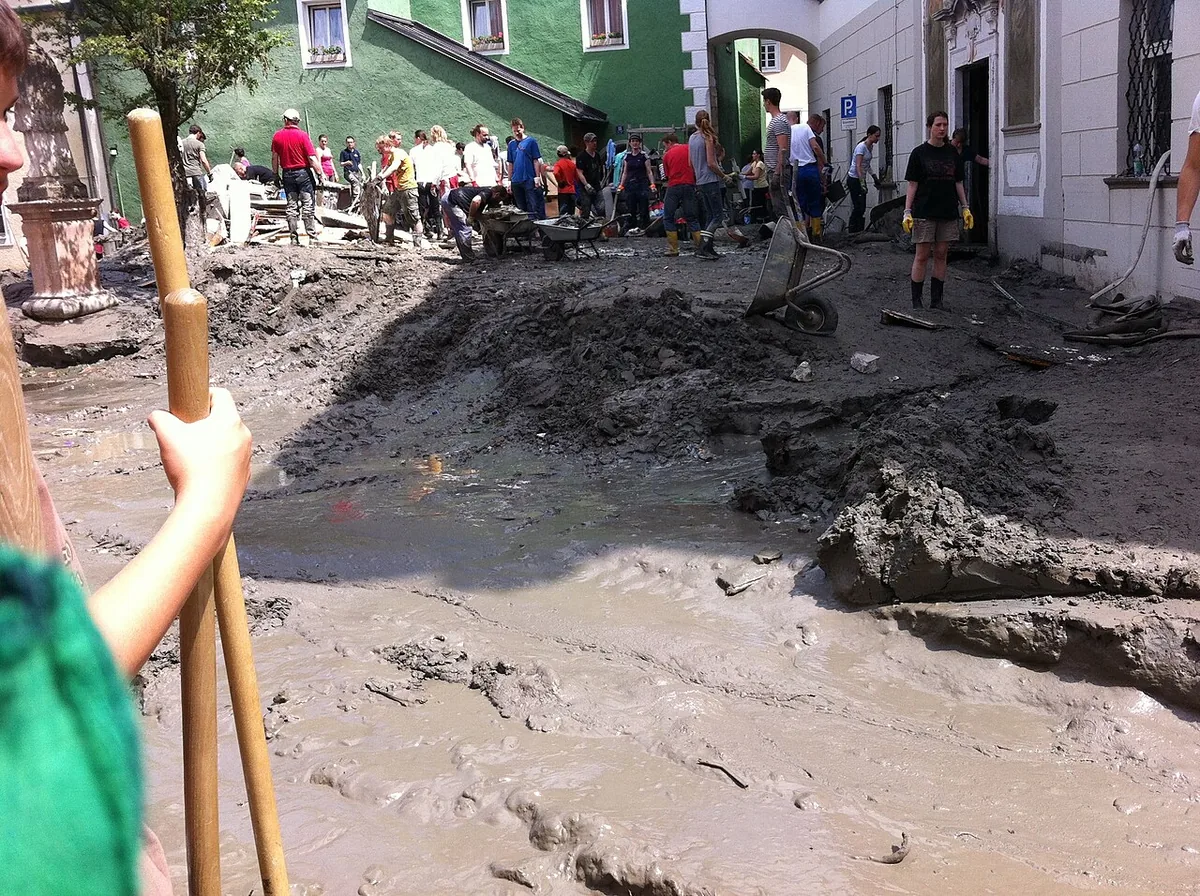
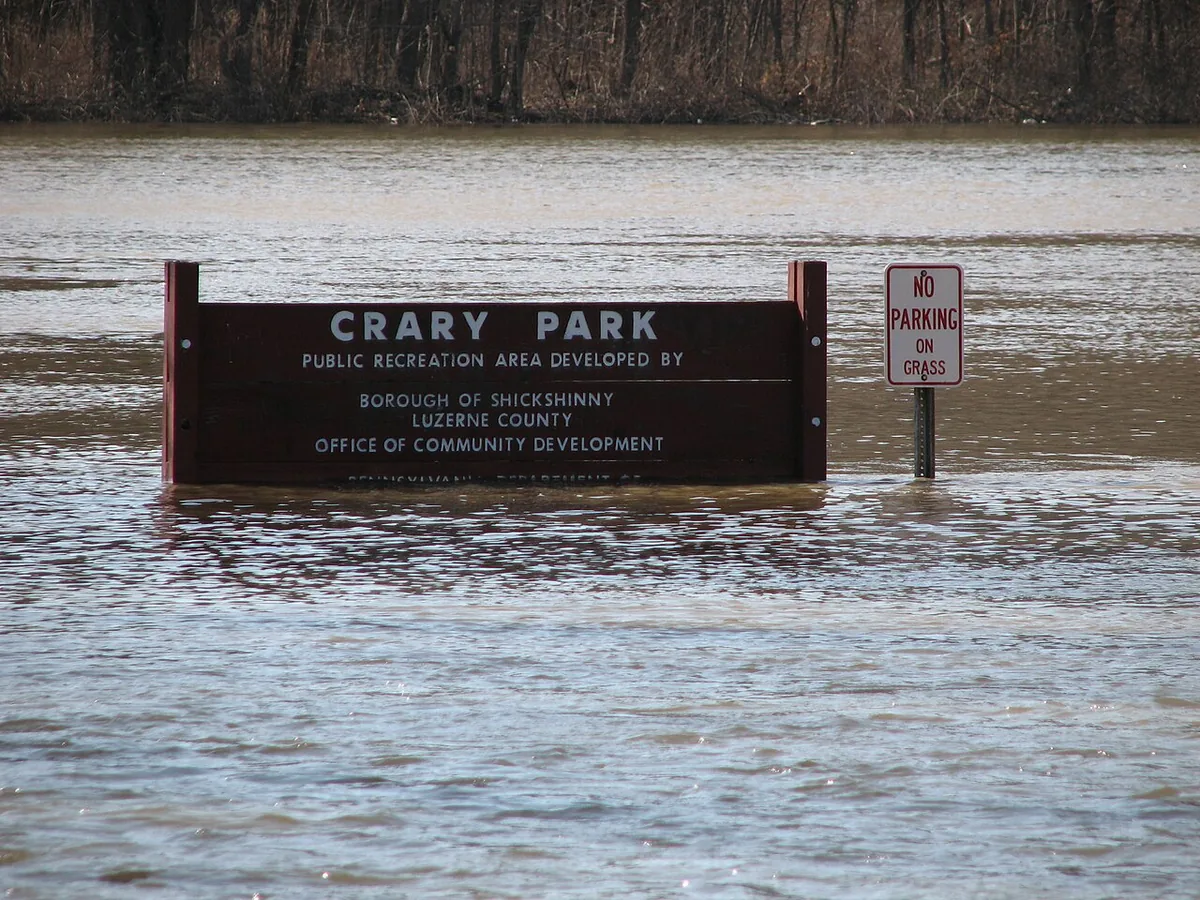
- Category 3 is grossly contaminated and can contain harmful agents. Sewage, certain waste-line backflows, and rising water from rivers or streams are commonly discussed in this group.
Time, temperature and what the water crossed can move a loss from a cleaner category toward a dirtier one. A “clean” leak that sat in a warm cavity is not automatically still Category 1 the next afternoon. We assess on site rather than from a photo of the puddle alone.
Weather complicates the conversation. An IICRC position statement on weather-related events cautions that top-down water and weather intrusion are not automatically Category 3, even though some weather-related examples can belong there when the water is contaminated (IICRC weather-related position statement). That nuance matters after wind-driven rain in a downtown building in Phoenixville just as it does after a supply-line break.
When the water clearly came from outside at grade, start with our flood cleanup page and expect a more cautious hygiene path until the facts say otherwise.
Class: how much has to dry
Class is a different axis. It describes the evaporation load — roughly, how much of the structure is wet and how hard those materials are to dry — so a crew can size dehumidification and air movement. A small, contained wet area is not the same class as a loss that wet carpet and pad across a room, or one that soaked assemblies from above, or one that involves dense, low-permeance materials that need a specialty approach.
You do not need to memorize class numbers to have a useful conversation. You should ask: “What is wet besides the floor I can see, and what equipment plan follows from that?”
Why both labels appear on one estimate
| Label | Answers | Changes this |
|---|---|---|
| Category | How cautious should hygiene and removal be? | What leaves, what can be cleaned, how we protect adjacent rooms |
| Class | How large is the drying problem? | Equipment, openings, and how long the log may run |
A clean supply leak in a large, finished area can be a lighter category and a heavier drying class. Outdoor water in a small mechanical closet can be the reverse. Mixing the two labels is how a household hears “it’s only a little water” and still faces a careful cleanup.
What this means for a workplace
A restaurant, a shop, or a suite uses the same two labels. The stakes include staff, customers and a reopening date. Category can dictate whether a public floor can stay partly open. Class can dictate how many days the noisy equipment must run. See commercial water damage.
What we will not do with these terms
We will not assign a category from a text message. We will not pretend a standard we cite is a license we hold unless proof is on file. We will not invent a health claim about a particular organism. The standard describes procedures; your physician is the right voice for medical questions.
Guide prices on this site still use the same bands: typical house mitigation $1,300–$5,500, with contaminated or large losses climbing, sometimes to $10,000+. Category is one reason a job leaves the typical band.
Frequently asked questions
Is all floodwater automatically Category 3?
Not as a slogan. Rising water from rivers or streams is commonly treated as grossly contaminated. Weather and top-down rain are assessed, not assumed. IICRC’s 2026 position statement is worth reading on that point.
Can Category 1 become Category 2 or 3 later?
Yes. Time, temperature and contact with other materials can deteriorate the water.
Does class mean how dirty the water is?
No. Class is about evaporation load and drying, not contamination.
Will you put both labels in the file?
Yes, once we have assessed the loss, in language you can hand to a carrier.
Do I need to know this before I call?
No. Call (484) 293-9465 if water is in the building. We will explain the labels after we have seen the rooms.
Need a scope after a water loss? Call (484) 293-9465 — homes and workplaces, day or night.