
A sump that works every ordinary rain can still fail in the ten minutes a street loses power during a hard cell. The pit fills, the lower level takes water, and the pump may come back on too late. This page is about that outage-driven failure — in houses and in workplaces with below-grade rooms.
By Chester County Water Damage
If the lower level is already wet, stay out of energized water and call (484) 293-9465. We handle basement flooding 24/7.
Why a short blink is enough
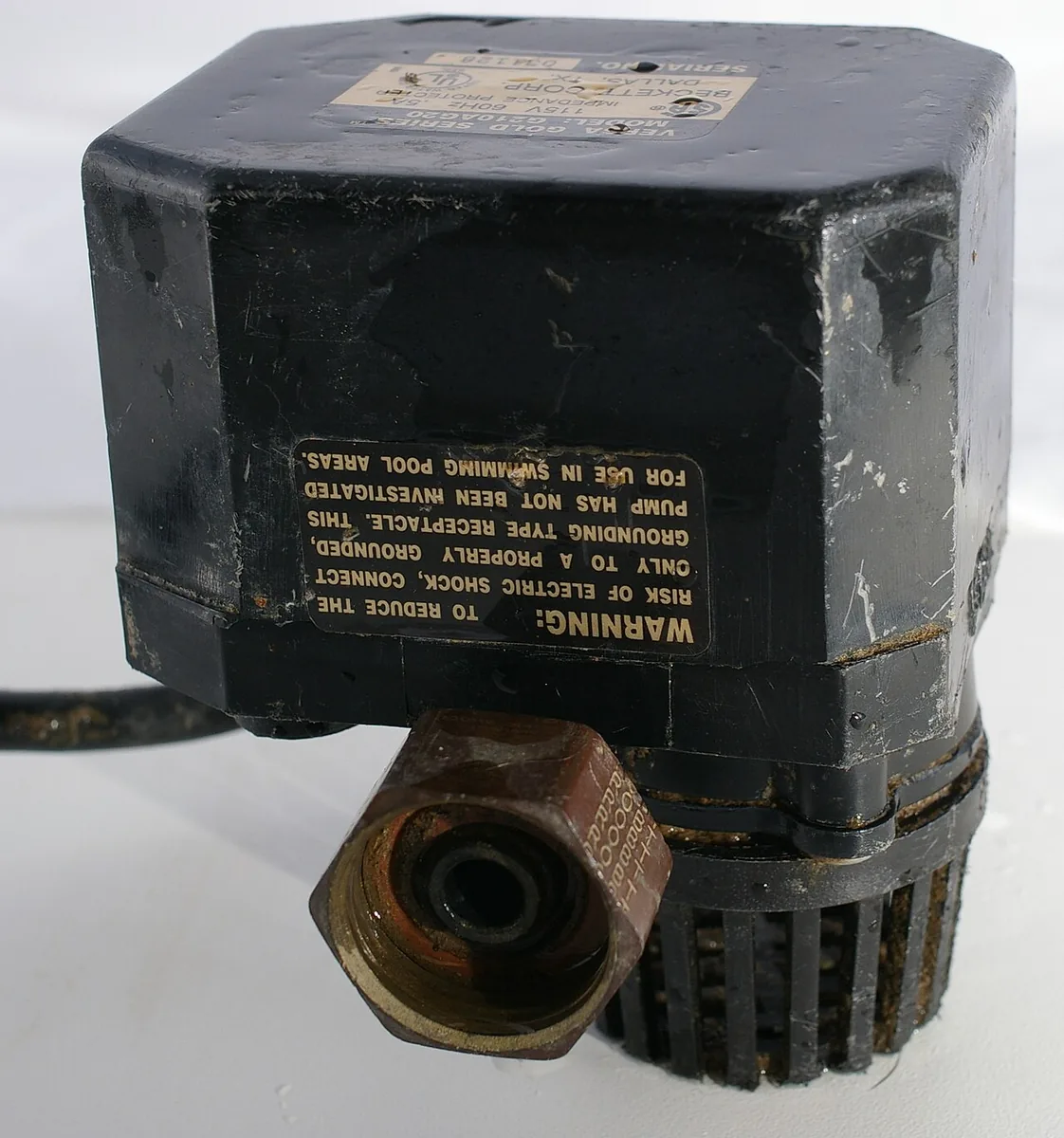
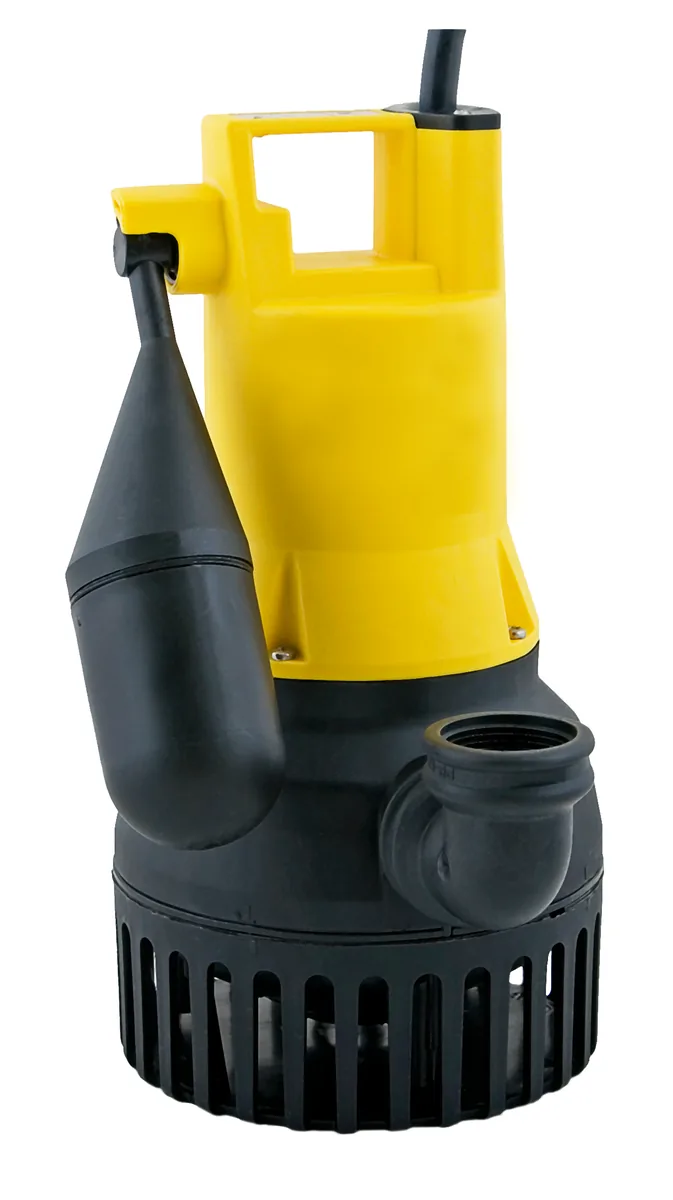
Many pumps are on a standard circuit with no battery backup. A tree limb, a transformer event, or a brief utility interruption is enough to stop the motor while runoff is still arriving. When power returns, the pump may catch up — or the basin may already have overflowed into finished space. You cannot always tell from upstairs until a carpet squelches or a storage box sits in a film of water.
This pattern shows up after storm cells in corridors where groundwater or a nearby waterway already keeps a pit busy, including parts of Downingtown and other low-lying streets. It also happens on higher lots after a long rain, when a pit is simply overwhelmed once the power blinks.
Safety first, then the pump
- Do not step into standing water if the pump, a freezer, or outlets may still be live.
- If you can reach a breaker from a dry floor, cut power to the wet room.
- When it is safe, look at the pit: is the pump running, seized, or still without power?
- If a generator or a battery backup is already running the pump, say so when you call. We will work around it and will not unplug it casually. Temporary power after we arrive is a item until the operator confirms it.
Outdoor water that entered at a door or well is a different hygiene conversation than a pit overflow of groundwater. Tell us what you think entered. See flood damage cleanup when the source was overland.
After the water is out
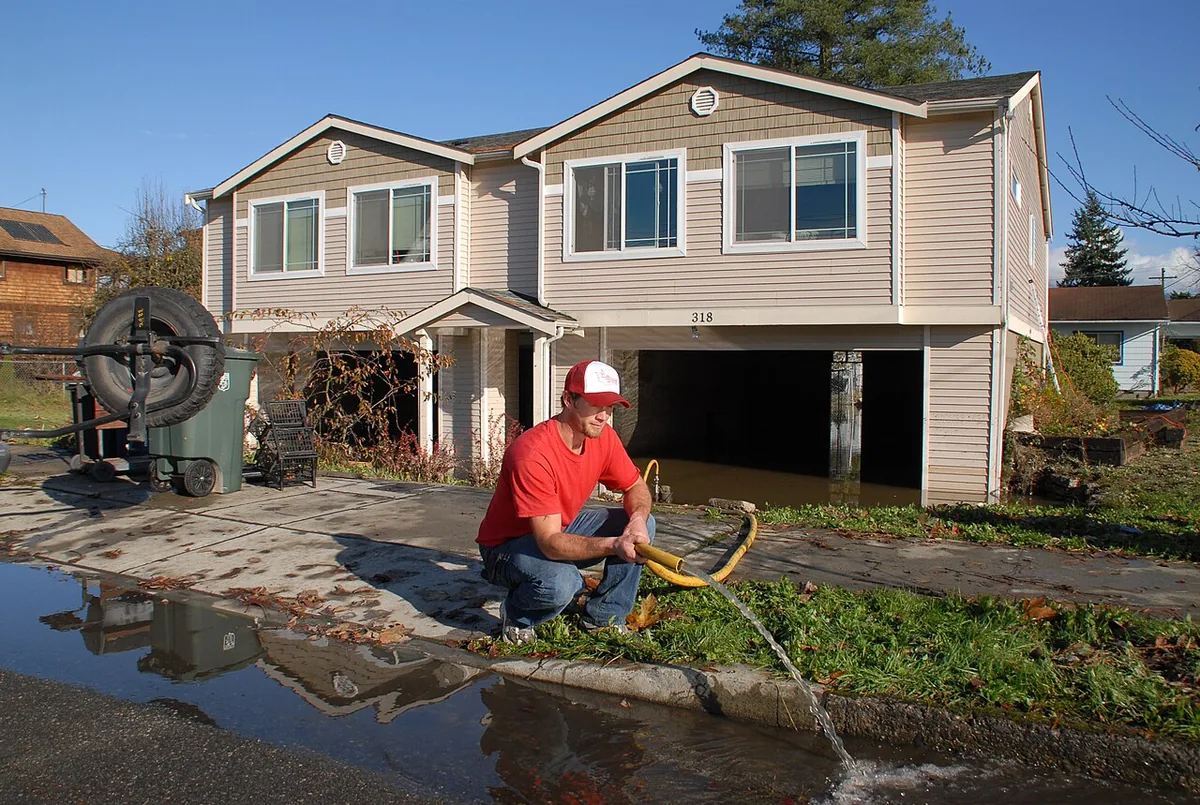
Extraction and a moisture map come before a debate about new flooring. A finished lower level that took water may need pad, carpet, or swollen trim removed; a bare floor may be a shorter dry. Guide prices for a typical basement pump-and-dry on this site are $750–$4,000; larger or contaminated jobs follow the broader mitigation bands on pricing.
Power may still be unstable the same night. We plan drying around that, including the risk of another blink.
A practical backup-power conversation (not a product pitch)
We do not sell pumps or generators. Property owners and facilities managers should still ask, before the next season:
| Question | Why ask it now |
|---|---|
| Does this pump have a battery backup or a water-powered backup? | A brief outage is the usual failure point |
| Where will a portable generator sit, and what will it run? | Exhaust and transfer safety matter |
| Who is on call if this is a workplace lower level? | Stockrooms flood while no one is on site |
| Is the discharge line clear and the check valve working? | Power is not the only way a pit fails |
A workplace with records or inventory at grade should treat the pit like a business-continuity item, not an afterthought. After-hours drying is described on commercial water damage.
What this article will not promise
A backup system does not make a building “flood-proof.” A failed check valve, a clogged discharge, or a basin that is simply too small will overflow with the power on. We will not invent a statistic about how often outages cause losses in this county.
During drying, a second blink can undo a night of work
If the same circuit is still fragile, say so. Equipment needs power too. We can discuss placement and what happens if the street goes dark again. A household generator that is already running the pump should stay on the pump unless you have a safe, agreed plan for sharing that power. We will not improvise a hookup that risks exhaust in a living space or an unsafe transfer.
Trees and overhead lines mean some more rural roads lose power while a nearby borough does not. If you are on one of those roads, mention travel notes, gates and whether a truck can turn around. The drying science does not change; the first hour on site does.
When the “basement” is actually a workplace
A lower-level file room, a restaurant walk-in vestibule, or a medical-adjacent storage closet can take pit overflow the same way a family rec room does. The photo set should include labels, asset tags and a simple list of what sat in water. We do not restore specialty equipment. We get the room dry and documented so those other vendors can do their work on a floor that is no longer wet.
Frequently asked questions
The power is back and the pump is running. Do I still need a crew?
If finished materials got wet, yes — a running pump does not dry a pad or a cavity. If the water stayed in the pit, you may only need a pump service.
Is pit overflow “clean” water?
Groundwater and pit discharge are not automatically treated like a fresh supply leak. We assess on site.
Can I stay in the house during drying?
Sometimes, if a dry floor remains and equipment placement allows it. We will tell you honestly from the layout.
Will a homeowners policy treat this like a sudden failure?
Often a mechanical or power-related overflow is discussed as a sudden event, but flood exclusions and other wording can still apply. Your carrier decides.
Do you repair the pump?
No. We dry the rooms. A plumber or pump technician handles the unit.
Lower level wet after an outage? Call (484) 293-9465 — homes and workplaces, any hour.