
Many household policies are more likely to respond to a sudden, accidental release — a split supply line, a failed fitting — than to water that crept in slowly from a neglected seam or a long-term seep. Flooding from rising surface water is a different question again. This is general information, not a coverage decision. Your adjuster reads the policy.
By Chester County Water Damage
If water is active in a home or a workplace in Chester County, call (484) 293-9465. We are 24/7. We record what we see; we do not tell a carrier what it must pay.
Three stories that get confused on the same street
A sudden indoor failure. A line splits, a supply hose lets go, a heater pan overflows in a short window. That is the kind of event many homeowners policies describe as sudden and accidental. Whether a given policy pays still depends on its wording, deductibles and exclusions.
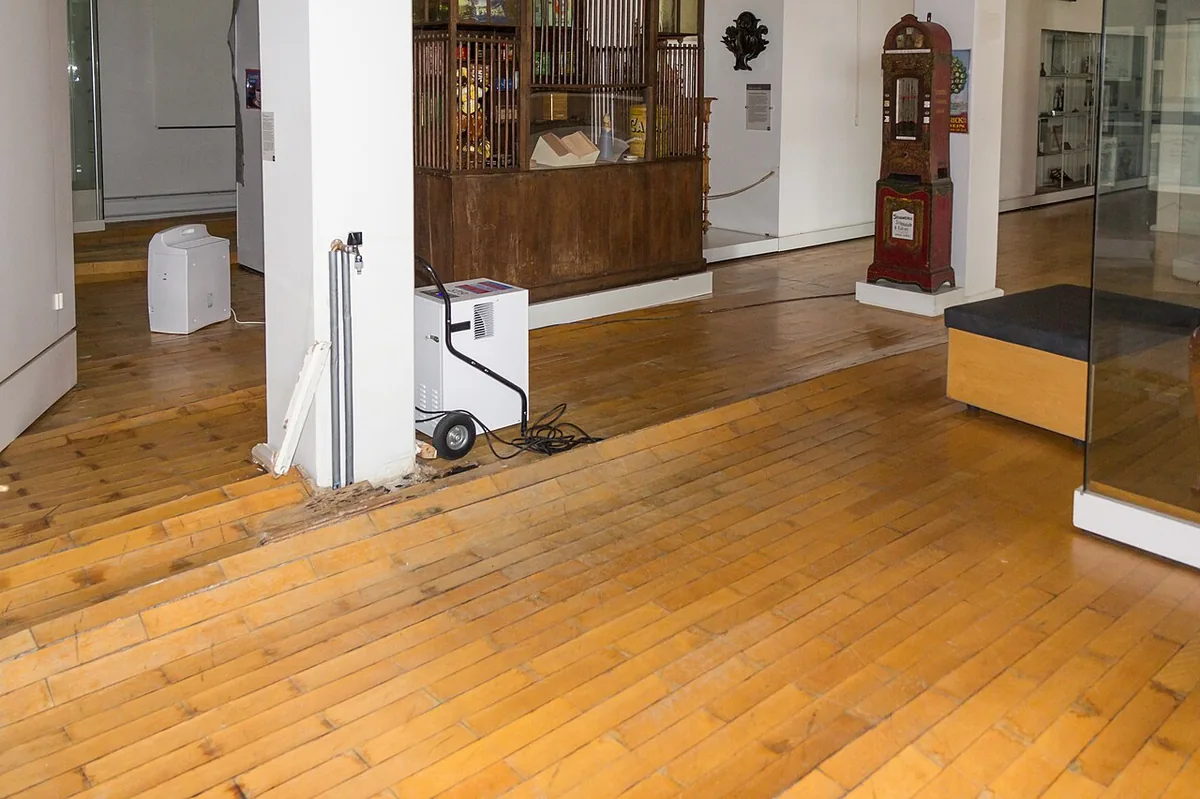
A slow or long-running seep. A hairline leak behind a vanity, a shower pan that has wept for months, or a window well that stains the same corner every season may be treated as maintenance or gradual damage. Families are often surprised by that distinction because the mess looks similar once the drywall is open.
Water that entered from outside. Standard homeowners policies typically do not cover flood damage. The Federal Emergency Management Agency states that plainly: flood damage is not typically covered by a homeowners policy, and flood coverage is usually a separate policy, often through the National Flood Insurance Program (FEMA; FloodSmart).
Those three stories can appear in the same township on the same night — a clean line break on a higher street, and overland water at a grade-level door after a hard cell. The cleanup path can differ too. See flood damage cleanup.
What we can put in the file, and what we cannot decide
Our job on a water damage restoration visit is to stop what we can, extract, dry to readings and photograph the source, the rooms and the moisture log. That file is what you hand a carrier.
We can note whether the water appeared to come from a supply line, a fixture, a sump, a window well or a door at grade. We cannot declare the loss “covered.” Sudden versus gradual is a policy question. So is whether a business interruption endorsement applies to a closed suite.
If you are in a Main Line community such as Paoli, the same distinction still holds: a weekday leak in an empty house and a slow stain you have watched for a year are not the same claim narrative. Date-stamped photos help either way.
A short comparison
| Situation (examples, not legal categories) | Often discussed as | Common coverage question |
|---|---|---|
| Split supply, failed hose, sudden overflow | Sudden, accidental indoor water | Homeowners or business property policy |
| Long-term seep, repeated stains, deferred repairs | Gradual or maintenance-related | Frequently limited or excluded |
| River, creek or surface water entering at grade | Flood | Usually a separate flood policy |
Exceptions exist. Read your documents or ask the agent. A mortgage in a mapped high-risk flood area may already require a flood policy; that requirement is not a statement about a particular leak.
What to photograph in the first hour
- The suspected source, close and in context
- Standing water in each room, before you move large items
- Any stain or bulge that looks older than today’s event
- The shutoff and the time you closed it, if you can
- For a workplace: who was on site, when the leak was found, and which tenants were notified
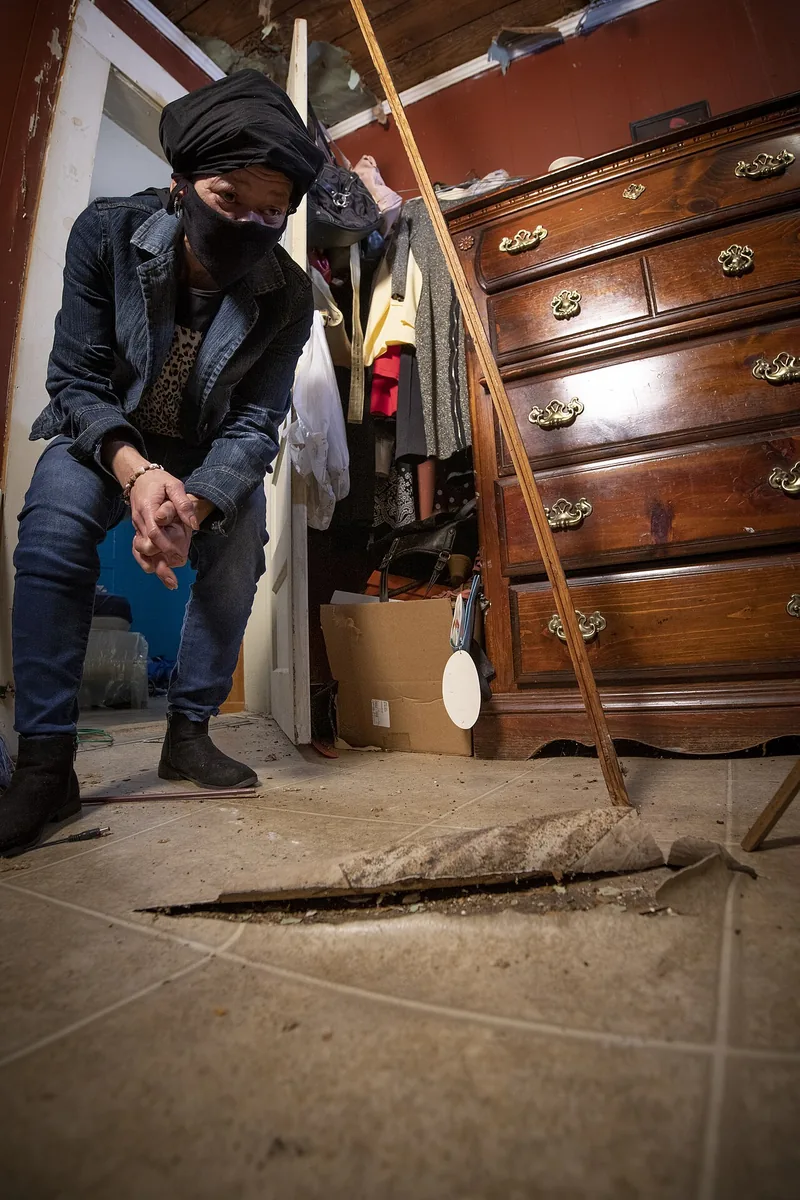
Keep receipts for emergency purchases. Do not discard a failed fitting if a plumber has already cut it out — adjusters sometimes ask to see it.
Business policies are not automatically broader
A professional office can have the same sudden-versus-gradual debate as a house. A separate flood policy may still be needed for overland water. Business interruption, extra expense and tenant-versus-landlord responsibility depend on the lease and the endorsements, not on our moisture log. We can still dry the suite after hours. See commercial water damage.
Talk to the agent with a clean timeline
A short timeline — when you last saw the room dry, when you found the water, what you shut off — helps an agent more than a long argument about blame. If a plumber already replaced a fitting, ask for a brief note on what failed. We can add our arrival time and the first readings to that same sequence.
Frequently asked questions
If the water came from a pipe, is the claim automatically approved?
No. Many policies treat sudden pipe failures more favorably than slow seepage, but the carrier decides.
Does a homeowners policy cover creek or river water in the lower level?
Typically no. FEMA’s public guidance is that flood damage is not typically covered by a homeowners policy.
Can you write a letter saying the damage was “sudden”?
We can describe what we observed and when we arrived. We will not invent a legal characterization to satisfy a claim.
What if I have both a homeowners policy and a flood policy?
Tell both carriers what happened and share the same photo set. They will sort which policy, if either, applies.
Do you handle the claim for me?
No. We document the interior work. You or your public adjuster, if you hire one, run the claim.
Water in a house or a workplace right now? Call (484) 293-9465 — we pick up day and night.